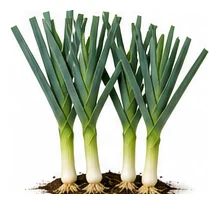
Whole plant
Overall shape, height, branching and growth habit.
Allium porrum
Long-season vegetable with mild, sweet onion flavour. The white shaft is produced by hilling soil up around the stem to blanch it. Extremely cold hardy.
When to sow, plant out and harvest in each climate. Plotera turns this into reminders for your own garden, location and planting dates.
| Climate | Sow | Transplant / Plant | Harvest |
|---|---|---|---|
| Tropical | Apr - Aug | Apr - Aug | Jul - Nov |
| Subtropical | Feb - Jul | Feb - Jul | May - Oct |
| Mediterranean | Feb - Jun | Feb - Jun | May - Sep |
| Temperate | Jan - Apr | Mar - May | Jun - Oct |
| Cool | Jan - Apr | Mar - May | Jun - Nov |
| Arid | Feb - Jun | Feb - Jun | May - Sep |
Leeks are cool-season vegetables grown for their thick bases of overlapping leaves rather than a rounded bulb. Their flavour is mild, and the blanched white portion becomes tender when cooked. They are slower than many garden vegetables, so starting seedlings before a bed becomes available can make good use of space. Transplanting also lets you position plants deeply enough to develop a longer white shaft. Early varieties provide smaller, tender harvests, while hardy winter types can stand for gradual picking in suitable conditions. Keep weeds under control while plants are young because their upright leaves provide little shade. Consistent moisture supports good-sized stems. Lift individual plants as needed, but harvest before flowering makes the centre tough. Choose varieties for your growing season rather than assuming every leek has the same winter hardiness.
Choose deep, fertile, friable soil with abundant mature organic matter and good drainage. Aim for pH 6.5–7.0. Light loam makes planting and lifting easier; raised beds help where ground remains wet.
Pollination does not affect the edible stem harvest. Flowers contain male and female parts, and bees and flies transfer pollen between flowers. For seed saving, retain several healthy plants into their flowering season and isolate other varieties of the same species.
No stakes are normally needed. Earthing up supports plants and lengthens the white portion; remove emerging flower stalks promptly.
Usually grow from seed and transplant. Some plants left to flower form basal bulblets that can be separated for a new crop.
Use a deep container about 40 cm wide for four or five mature plants, or grow a closer-spaced crop of baby leeks.
Choose early types for baby or autumn harvests, hardy winter types for standing crops, and rust-resistant varieties where needed.
Raised orange pustules appear on leaves. Improve air movement, avoid wetting foliage and choose resistant varieties.
Leaves develop silvery marks and may twist. Check leaf folds regularly and keep plants growing without drought stress.
Leaves yellow and wilt as the base decays. Remove affected plants and avoid transferring contaminated soil to clean beds.
A stiff central flower stalk develops and the stem becomes fibrous. Protect young plants from cold checks, choose suitable varieties and harvest affected plants early.
Try cooler conditions or higher-elevation growing sites; persistent heat limits suitability.
Use the cool season and choose varieties suited to that planting window.
Grow for cool-season harvests and irrigate during dry periods.
Start early for autumn crops and select winter types for later picking.
Use hardy varieties and an early start; lift before ground freezing prevents harvest.
Mulch and irrigate consistently, checking beneath the surface for moisture.
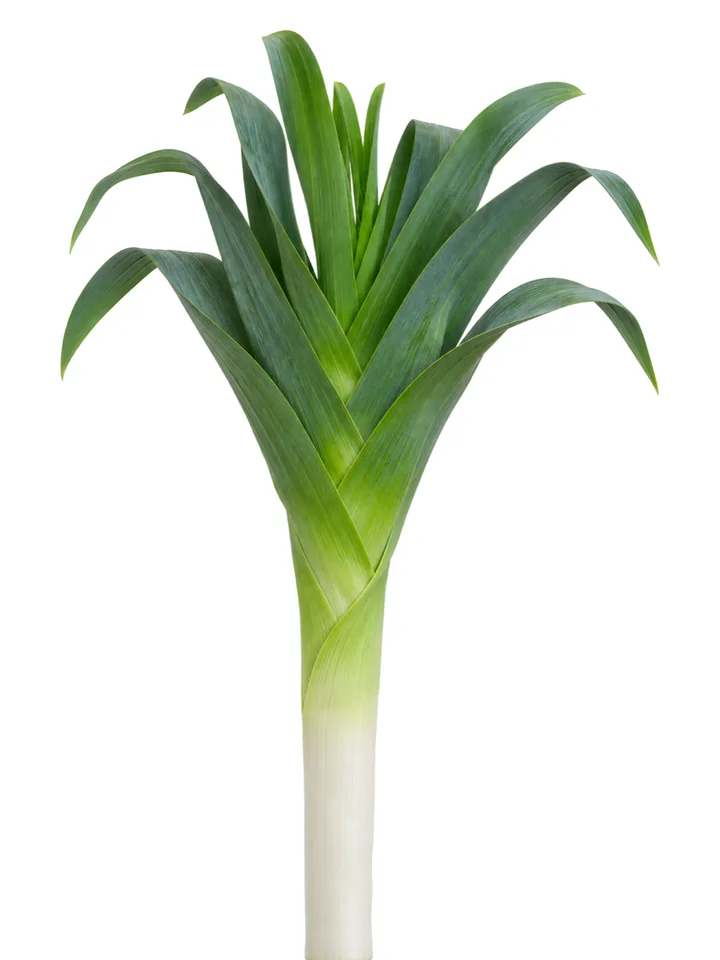
Overall shape, height, branching and growth habit.
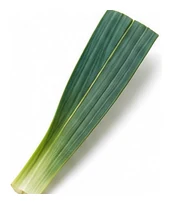
Leaf shape, edges, colour and vein pattern.
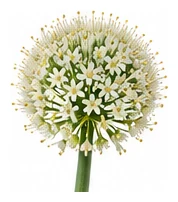
Flower colour, structure and where blooms appear.
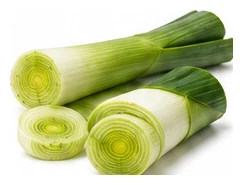
Fruit, root, seed, pod or the strongest identifying feature.
A quick garden-to-table guide for using Leek after harvest.
Finely slice tender young leeks for salads after separating and washing the leaf layers thoroughly.
Braise, steam, roast or use in soups and pies. Split and rinse carefully to remove trapped soil.
Trim and blanch for two to three minutes, cool rapidly, drain thoroughly and freeze in portions.
Try: Leek soup, Braised leeks, Leek pie, Roasted leeks.
Create a free account to save your garden layout, personal planting calendar, water and fertiliser schedules, seed inventory and harvest logs.
Create Free Account