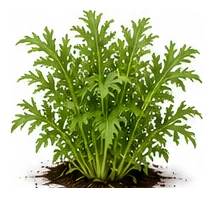
Whole plant
Overall shape, height, branching and growth habit.
Brassica rapa var. japonica
Frilly mild mustard green for salads and stir-fries. Quick to crop and reliable in cool to mild conditions.
When to sow, plant out and harvest in each climate. Plotera turns this into reminders for your own garden, location and planting dates.
| Climate | Sow | Transplant / Plant | Harvest |
|---|---|---|---|
| Tropical | Apr - Aug | Apr - Aug | May - Sep |
| Subtropical | Mar - Aug | Apr - Aug | May - Oct |
| Mediterranean | Mar - Sep | Apr - Sep | May - Nov |
| Temperate | Feb - Apr | Apr - Jun | May - Oct |
| Cool | Mar - May | May - Jul | Jun - Oct |
| Arid | Mar - May | Apr - Jun | May - Aug |
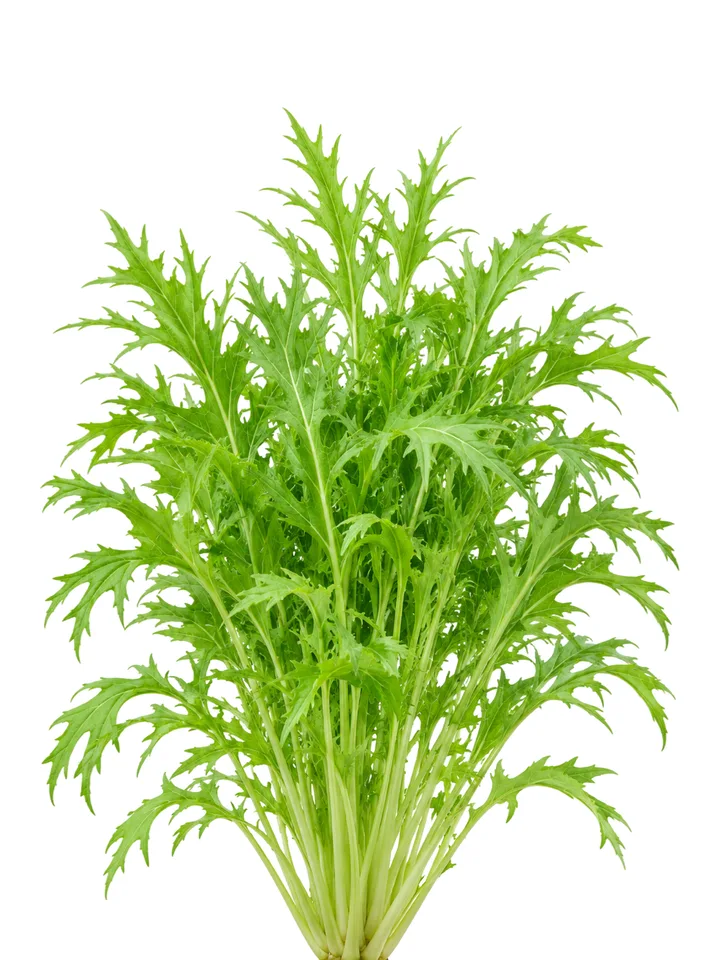
Mizuna is a quick-growing leafy brassica with finely divided leaves and a mild peppery flavour. It is particularly useful for gardeners who want small, frequent salad harvests instead of waiting for a large plant. Leaves can be picked individually, or a planting can be harvested young and allowed to regrow when the growing points remain intact. It also supplies greens for brief cooking. Mizuna grows in beds, window boxes and containers, making it adaptable to small spaces. Cool to mild conditions generally give the best quality, while strong heat and bright, lengthening days can encourage flowering and poorer leaves. Repeated small sowings help maintain a tender supply. Give plants regular moisture and enough light, and protect seedlings early because damaged young leaves quickly reduce the usable harvest.
Use light to medium-textured soil with good drainage and a useful supply of organic matter, with pH 6.5–7.5. Grow in prepared ground, raised beds or free-draining potting mix.
Pollination is irrelevant to leaf production. Mizuna has perfect flowers; for seed saving, treat it as an insect-pollinated, generally self-incompatible Brassica rapa crop. Keep several plants of one open-pollinated variety and isolate them from other flowering B. rapa forms.
No support is needed for leaf production. Pick outer leaves or cut above the growing points; avoid cutting into the crown.
Sow seed directly or transplant young module-grown plants. Save seed from healthy, isolated open-pollinated plants rather than mixed flowering varieties.
For baby leaves, use a draining container more than 15 cm deep. Wider containers and window boxes allow successive patches to be harvested.
Look for finely cut green-leaved types for mild salads and coloured-leaf selections for visual variety. Choose types described for baby-leaf production when frequent cutting is the aim.
Small beetles leave pin-sized holes, especially on seedlings. Exclude them with fine insect mesh from sowing.
Colonies gather beneath leaves and distort new growth. Remove badly affected leaves and wash off remaining insects.
Ragged holes and missing seedlings appear in damp conditions. Remove nearby refuges and collect pests.
A flower stalk develops and leaf quality declines. Sow during cooler conditions, maintain moisture and harvest young.
Use the coolest available window and harvest young. Persistent hot conditions shorten the useful leaf-harvest period.
Favour autumn and mild winter conditions; use light shade during warmer spells.
Cool-season sowings are useful, with irrigation only as needed between rains.
Sow successive spring and autumn crops. Strong summer heat can accelerate flowering.
Use a sunny position and protection to extend late harvests. Growth slows as conditions become colder.
Choose the cooler season, provide light shade in warm weather and keep the root zone consistently moist.
Overall shape, height, branching and growth habit.
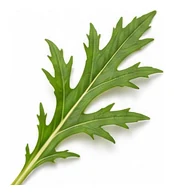
Leaf shape, edges, colour and vein pattern.
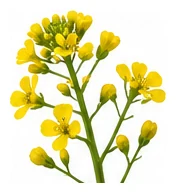
Flower colour, structure and where blooms appear.
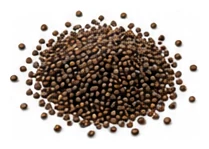
Fruit, root, seed, pod or the strongest identifying feature.
A quick garden-to-table guide for using Mizuna after harvest.
Wash young leaves and use their mild peppery flavour in salads.
Add leaves near the end of a stir-fry so they wilt without prolonged cooking.
For a surplus intended for cooking, wash, blanch for 2 minutes, cool promptly, drain and freeze.
Try: Peppery salad, Stir-fry greens, Wilted greens.
Cut young leaves often for a steady salad harvest.
Create a free account to save your garden layout, personal planting calendar, water and fertiliser schedules, seed inventory and harvest logs.
Create Free Account