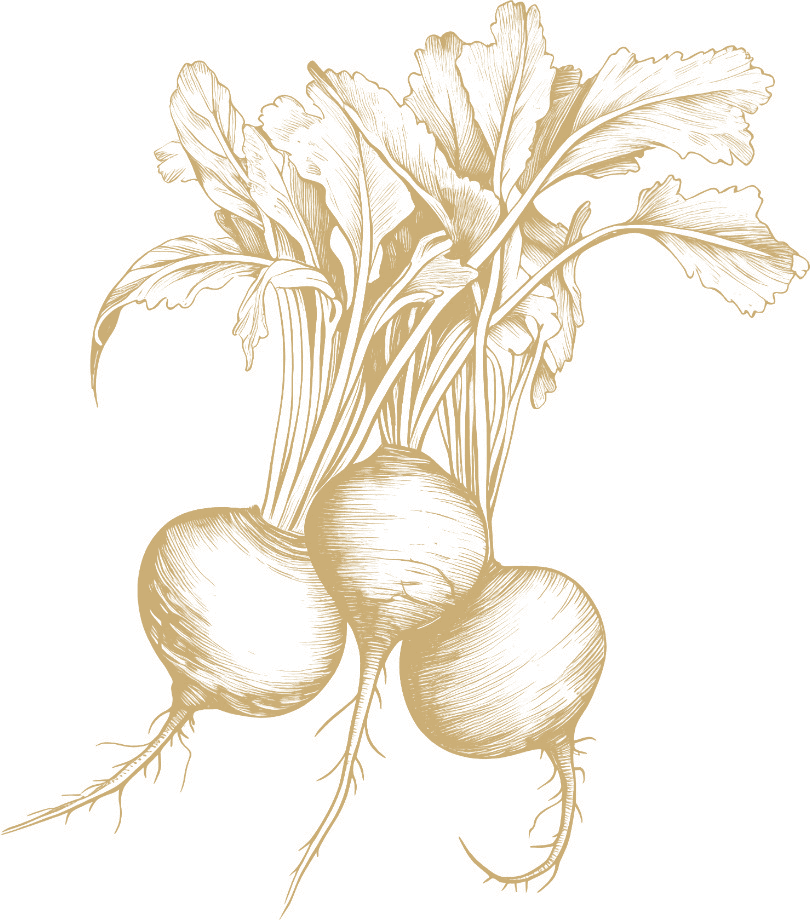

Whole plant
Overall shape, height, branching and growth habit.
Beta vulgaris subsp. vulgaris
Silverbeet with glossy green leaves on bright red, pink, orange, yellow and white stems. Ornamental, cut-and-come-again and long-cropping.

When to sow, plant out and harvest in each climate. Plotera turns this into reminders for your own garden, location and planting dates.
| Climate | Sow | Transplant / Plant | Harvest |
|---|---|---|---|
| Tropical | Jan - Dec | Jan - Dec | Jan - Dec |
| Subtropical | Feb - Oct | Feb - Oct | Apr - Dec |
| Mediterranean | Feb - Oct | Feb - Oct | Apr - Dec |
| Temperate | Feb - Oct | Feb - Oct | Apr - Dec |
| Cool | Feb - Sep | Feb - Sep | Apr - Nov |
| Arid | Mar - Sep | Mar - Sep | May - Nov |
Rainbow chard is a mixture of leaf-beet selections producing glossy green or bronze leaves on white, yellow, orange, pink and red stalks. It is the same species as beetroot but has been selected for abundant leaves and thick petioles rather than a swollen root. The colour mixture makes it ornamental enough for borders and containers, while its cut-and-come-again habit provides repeated harvests from a small planting. Young leaves are tender enough for salads; mature leaves and stalks are better cooked, usually with the stalks given extra time. Chard is a biennial and is generally more tolerant of warmth than many cool-season leafy vegetables, although drought slows production and severe heat can reduce leaf quality. Established plants can survive cool conditions and resume growth when temperatures improve. Each seed structure may produce several seedlings, so thinning is important. Regularly taking the oldest outer stalks encourages the central crown to continue making colourful new leaves.
Grow in fertile, moisture-retentive but well-drained soil enriched with mature compost or well-rotted manure. Chard tolerates soil down to pH 6.0; a practical range is pH 6.0–7.5. Use raised beds where heavy soil remains saturated, while deep garden ground suits long-lived plants well.
Chard has perfect flowers but is cross-pollinated mainly by wind. Pollination does not affect the leaf and stalk harvest. Seed plants normally flower after exposure to winter conditions; for true-to-type seed, isolate the selection from other flowering chard and beet forms because all Beta vulgaris forms can cross.
No staking is normally needed. Remove old outer stalks at the base rather than leaving stubs, retain the central growing point, and cut out premature flower stems to prolong leaf production.
Propagate from clustered seed, either direct-sown or started in modules for transplanting.
Use at least 11 L for one full-sized plant; a container about 30 cm wide and deep is practical. Larger 40 cm containers give more stable moisture and room for repeated mature-leaf harvests.
Look for well-balanced rainbow mixtures that reliably include red, pink, orange, yellow and white stems. Choose compact mixtures for containers and baby leaves, vigorous broad-stemmed mixtures for cooking, or slow-bolting and cold-tolerant selections for long-season harvests.
Larvae make pale, translucent tunnels or blotches between the leaf surfaces. Remove mined leaves, crush visible eggs and protect young plants with fine mesh.
Ragged holes appear in young leaves and stalks. Reduce hiding places, hand-pick at night and protect seedlings with barriers.
Numerous small spots with pale centres and reddish-purple margins reduce useful leaf area. Remove infected leaves, increase spacing, avoid overhead watering and clear crop debris.
Seedlings are severed near soil level. Check the soil around damaged plants, remove larvae and keep the bed free of dense weeds before planting.
Lower stalks soften where mulch, wet soil or damaged tissue remains against the crown. Improve drainage, water away from the crown and remove rotting material.
Grow in the cooler season or with light afternoon shade. Maintain airflow and avoid constantly wet crowns in humid conditions.
Chard can bridge cool and warm seasons, but growth slows in intense heat. Shade and steady water maintain better stalk quality.
It crops for a long period through mild conditions if irrigation continues during dry weather. Established crowns may overwinter.
Sow for repeated harvests from spring into cool autumn conditions. Protected crowns can produce again after winter.
Start plants under cover where the growing season is short and use cold-tolerant selections. Growth pauses in very cold conditions but established crowns may survive.
Mulch deeply around, but not against, the crown and irrigate thoroughly during dry spells. Afternoon shade reduces leaf scorch and tough stalks.
Overall shape, height, branching and growth habit.

Leaf shape, edges, colour and vein pattern.

Flower colour, structure and where blooms appear.

Fruit, root, seed, pod or the strongest identifying feature.
A quick garden-to-table guide for using Rainbow Chard after harvest.
Use small tender leaves and finely sliced young stalks in salads. Mature leaves are usually too robust for the best raw texture.
Steam, sauté, braise or add the leaves to soups and baked dishes. Start thick stalks before the leaves because they take longer to soften.
Blanch and freeze separated leaves and stalks for longer storage. Refrigerate freshly cut stalks promptly and use them while still crisp.
Try: Sautéed chard, Chard and feta pie, Stir-fried stems, Frittata.
Create a free account to save your garden layout, personal planting calendar, water and fertiliser schedules, seed inventory and harvest logs.
Create Free Account