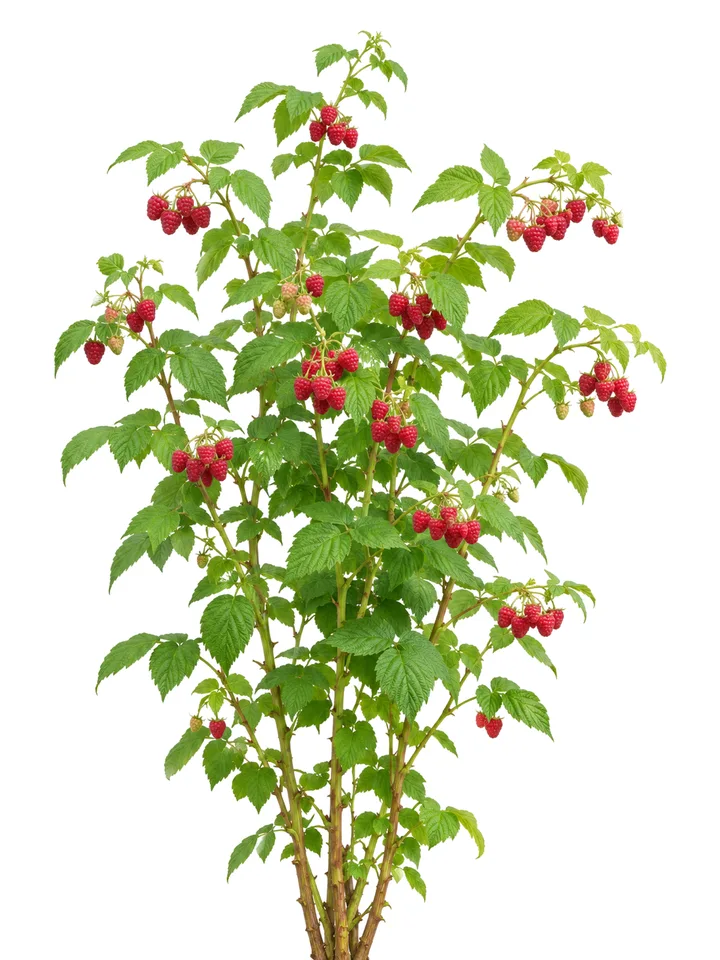
Whole plant
Overall shape, height, branching and growth habit.
Rubus idaeus
Cane fruit producing soft, perfumed berries. Primocane varieties fruit on first-year canes in autumn; floricane varieties on second-year canes in summer.
When to sow, plant out and harvest in each climate. Plotera turns this into reminders for your own garden, location and planting dates.
| Climate | Sow | Transplant / Plant | Harvest |
|---|---|---|---|
| Subtropical | Feb - Aug | Feb - Aug | Jan - Dec |
| Mediterranean | Feb - Aug | Feb - Aug | Jan - Dec |
| Temperate | Feb - Aug | Feb - Aug | Jan - Dec |
| Cool | Feb - Jul | Feb - Jul | Jan - Dec |
| Arid | Mar - Jul | Mar - Jul | Jan - Dec |
Raspberry is a perennial fruit plant with long-lived roots and short-lived canes. Red and yellow forms of Rubus idaeus produce soft berries that are particularly rewarding to pick fully ripe at home. Summer-fruiting types carry their crop on second-year canes, which die after fruiting. Primocane-fruiting types can crop on new canes in late summer or autumn, offering a simpler pruning system when grown for one annual harvest. Choosing the right type matters because cutting away the wrong canes removes the next crop. Plants also spread through suckers, so allow a managed row or patch rather than leaving them unchecked. A sunny position, good drainage, dependable moisture and annual thinning help keep the planting productive. Berries are delicate and need frequent picking and prompt cooling. Cool to moderate summers generally suit them better than prolonged intense heat.
Use fertile, organic-rich, well-drained loam, preferably pH 5.5–6.5. Incorporate compost before planting. Raised beds are useful where drainage is marginal, but water must still drain away beneath them.
Flowers contain male and female parts, and varieties are self-fertile. Bees improve pollination and berry development; a second variety is unnecessary. Protect pollinators during flowering rather than routinely hand-pollinating.
Tie canes loosely to wires. Remove spent floricanes at ground level after harvest. For a single autumn crop on primocane types, cut all canes down during dormancy before spring growth. Do not apply routine tip-pinching advice for other brambles to red raspberries.
Healthy red and yellow raspberries can be propagated from rooted suckers or root cuttings. Named varieties are normally maintained vegetatively rather than raised from seed.
Choose a manageable variety and a well-drained container about 75–115 litres, at least 60 cm deep. Restrict cane numbers and provide support.
Choose summer-fruiting types for a concentrated crop or primocane types for a later harvest and simple annual cutting. Look for early ripening, disease resistance, appropriate winter hardiness and reduced thorns.
Plants lose vigour, wilt or die where soil stays wet. Improve drainage, avoid saturated planting sites and replace badly affected plants with healthy stock.
Discoloured lesions and dying sections develop on canes. Remove affected and spent canes at ground level and keep the row open and weed-free.
Persistent mottling, distorted growth or poor vigour may indicate virus infection. Remove confirmed infected plants and propagate only healthy stock.
Individual berry sections become pale, hard or bleached in hot, sunny weather. Provide light afternoon shade in hot sites and maintain adequate soil moisture.
Usually unsuitable in continuously hot lowlands; winter chilling and cooler growing conditions are important.
Choose varieties matched to available chill and give relief from severe afternoon heat.
Irrigate through dry summers and consider light afternoon shade in very hot gardens.
Both summer and autumn types can work well; choose the pruning system before planting.
Choose hardy summer types or early autumn types that finish before frost.
Shelter from drying winds, mulch and irrigate consistently; intense heat can damage berries.
Overall shape, height, branching and growth habit.
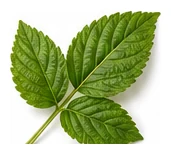
Leaf shape, edges, colour and vein pattern.
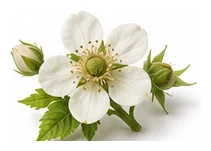
Flower colour, structure and where blooms appear.
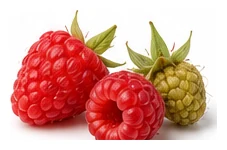
Fruit, root, seed, pod or the strongest identifying feature.
A quick garden-to-table guide for using Raspberry after harvest.
Eat fully ripe berries fresh, washing gently just before use.
Use raspberries in sauces, baked desserts and gently cooked compotes.
Freeze sound berries promptly or make jam using a tested recipe.
Try: Fresh berries, Jam, Compote, Baked dessert.
Tie canes to wires. After fruricane harvested, cut old canes to ground — leave new green ones.
Create a free account to save your garden layout, personal planting calendar, water and fertiliser schedules, seed inventory and harvest logs.
Create Free Account