
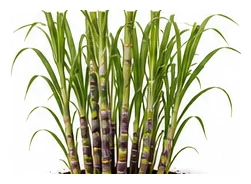
Whole plant
Overall shape, height, branching and growth habit.
Saccharum officinarum
A tall perennial grass grown for its sweet jointed stems. Propagated from setts, lengths of mature cane laid horizontally, rather than from seed. Wants heat, water and a long growing season.
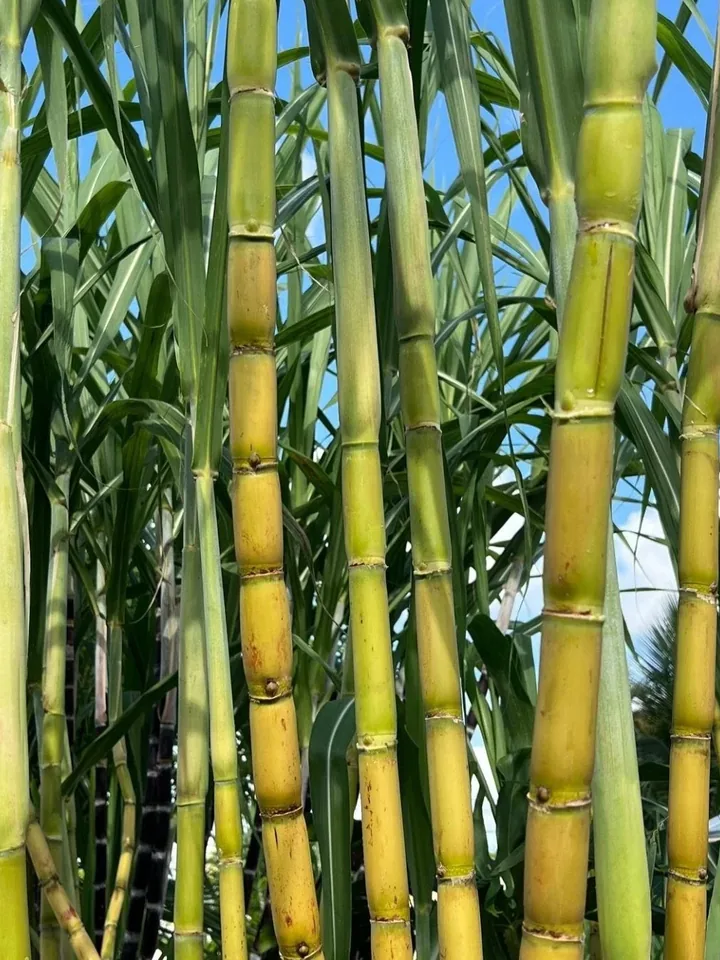
When to sow, plant out and harvest in each climate. Plotera turns this into reminders for your own garden, location and planting dates.
| Climate | Sow | Transplant / Plant | Harvest |
|---|---|---|---|
| Tropical | Jan - Dec | Jan - Dec | Jan - Dec |
| Subtropical | Aug - Nov | Aug - Nov | Jun - Oct |
| Mediterranean | Sep - Nov | Sep - Nov | May - Aug |
| Temperate | Sep - Oct | Nov - Dec | Apr - Jul |
| Cool | Not suitable | Not suitable | Not suitable |
| Arid | Sep - Nov | Sep - Nov | May - Aug |
Overall shape, height, branching and growth habit.
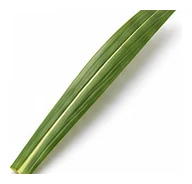
Leaf shape, edges, colour and vein pattern.
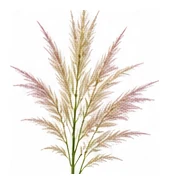
Flower colour, structure and where blooms appear.
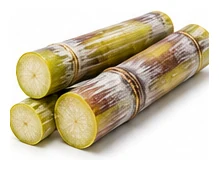
Fruit, root, seed, pod or the strongest identifying feature.
A quick garden-to-table guide for using Sugar Cane after harvest.
Peel the hard rind and chew the fibrous inner cane for the juice, spitting out the pulp.
Press for juice to drink fresh or boil down into syrup and raw sugar. Split lengths make aromatic skewers for grilling.
Use fresh, freeze, dry, pickle, or preserve depending on the crop.
No avoid list yet.
Lay setts horizontally in a trench, two or three buds each, under about 10cm of soil. Cut canes at ground level and the stool will ratoon for several more seasons.
Create a free account to save your garden layout, personal planting calendar, water and fertiliser schedules, seed inventory and harvest logs.
Create Free Account