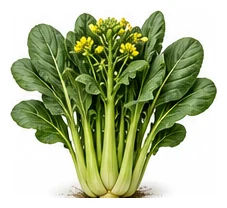
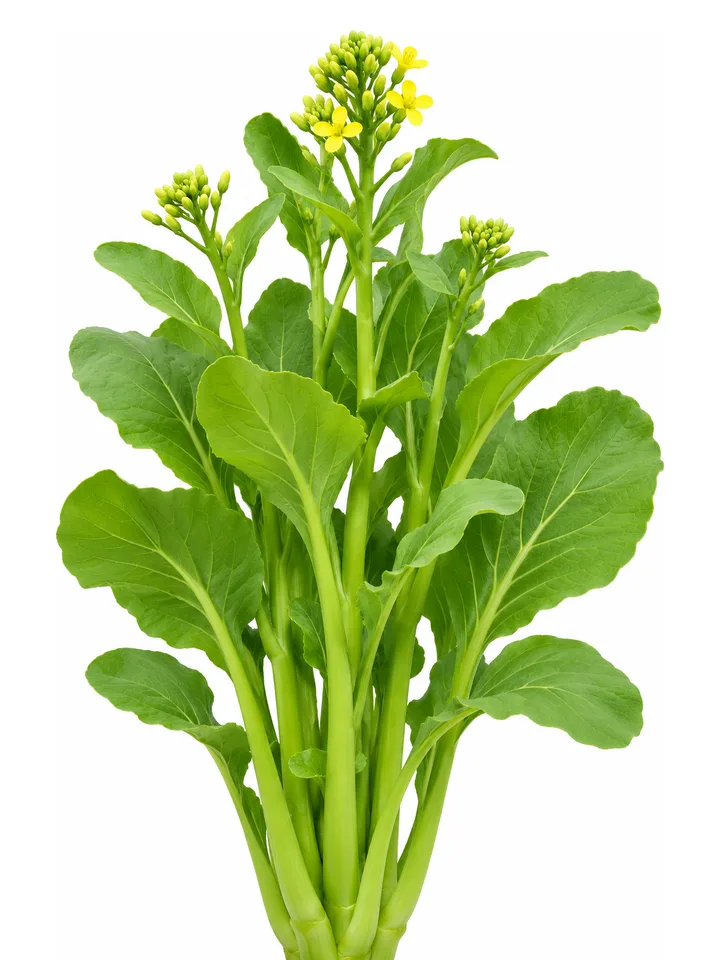
Whole plant
Overall shape, height, branching and growth habit.
Brassica rapa var. parachinensis
Fast Asian green grown for juicy stems, leaves and yellow flower buds. Best in cool to mild weather with steady watering.
When to sow, plant out and harvest in each climate. Plotera turns this into reminders for your own garden, location and planting dates.
| Climate | Sow | Transplant / Plant | Harvest |
|---|---|---|---|
| Tropical | Apr - Aug | Apr - Aug | May - Sep |
| Subtropical | Mar - Aug | Apr - Aug | May - Oct |
| Mediterranean | Mar - Sep | Apr - Sep | May - Nov |
| Temperate | Feb - Apr | Apr - Jun | May - Oct |
| Cool | Mar - May | May - Jul | Jun - Oct |
| Arid | Mar - May | Apr - Jun | May - Aug |
Choy sum is a quick-growing annual harvested for its juicy flowering stems, leaves and yellow flower buds. Unlike a vegetable grown for a dense head, it is allowed to begin producing flowering shoots before harvest. The best picking stage is when buds are well developed but have not yet opened. Young whole plants can be cut, or shoots can be harvested while leaving suitable lower growth for further picking. Green-stemmed and purple-stemmed forms differ in appearance and cold tolerance. Mild conditions encourage strong, tender stalks, while adequate moisture and nutrition keep this short crop moving without a check. Plants have relatively shallow roots, so dry soil affects them quickly and waterlogging is also damaging. Small successive sowings provide a more manageable supply than a large planting that becomes ready together. Harvest promptly because the useful tender stage passes quickly as stems and flowers mature.
Use fertile, organic-rich, well-drained loam with pH 6.0–7.0. Other textures work if drainage and moisture are managed. Choose raised beds where heavy rain or waterlogging is a problem.
Pollination does not matter for harvested stems, leaves or buds. Perfect flowers need insect-mediated cross-pollination for reliable seed production. Retain several open-pollinated plants and isolate them from other flowering Brassica rapa varieties.
Harvest crops need no stakes or routine pinching. Cut flowering shoots for eating rather than removing buds merely to delay flowering; flowering stems are the intended harvest.
Grow from seed, usually directly in the bed. Young transplants can be used for larger or slower-maturing types.
Use a well-drained container of about 20 litres for a small planting, thinning to avoid crowding. Check moisture often because container soil dries quickly.
Choose fast green-stemmed types for quick harvests, larger later types for substantial stems, or purple-stemmed forms where extra cold tolerance is useful.
Holes and droppings appear on leaves and buds. Use insect mesh and hand-remove larvae before damage spreads.
Colonies gather on young stems and leaf undersides. Squash small colonies and encourage predatory insects.
Wet, soft, collapsing tissue develops in saturated conditions. Remove affected plants, improve drainage and avoid bruising stems.
Leaves become water-soaked or collapse after freezing. Protect green types from frost and harvest before a forecast freeze.
Use the coolest, less persistently wet growing window; raised beds help where heavy rain threatens drainage.
Grow during mild conditions and protect green types from frost.
Favour the cooler growing seasons and irrigate during dry spells.
Sow after severe cold has eased or for an early autumn harvest before frost.
Use a protected frost-free window; purple-stemmed types offer more cold tolerance than ordinary green types.
Choose the mild season and check the shallow root zone frequently for drying.
Overall shape, height, branching and growth habit.
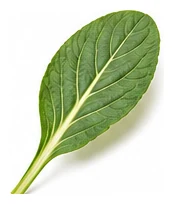
Leaf shape, edges, colour and vein pattern.
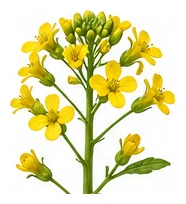
Flower colour, structure and where blooms appear.
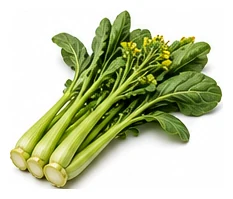
Fruit, root, seed, pod or the strongest identifying feature.
A quick garden-to-table guide for using Choy Sum after harvest.
Wash tender young leaves and buds thoroughly before using small amounts fresh.
Steam, stir-fry or add stems, leaves and buds to soups; start thicker stems before adding the tender tops.
Refrigerate promptly for short storage, or blanch tender leaves and shoots, cool quickly and freeze.
Try: Garlic stir-fry, Steamed greens, Soup greens.
Pick whole young plants or cut flowering stems for repeat shoots.
Create a free account to save your garden layout, personal planting calendar, water and fertiliser schedules, seed inventory and harvest logs.
Create Free Account