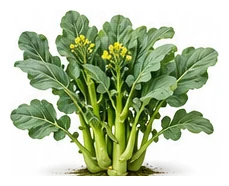
Whole plant
Overall shape, height, branching and growth habit.
Brassica oleracea var. alboglabra
Leafy-stem brassica grown for tender stems, leaves and flower buds. A staple Asian green for stir-fries and mild-season beds.

When to sow, plant out and harvest in each climate. Plotera turns this into reminders for your own garden, location and planting dates.
| Climate | Sow | Transplant / Plant | Harvest |
|---|---|---|---|
| Tropical | Apr - Aug | Apr - Aug | May - Sep |
| Subtropical | Mar - Aug | Apr - Aug | May - Oct |
| Mediterranean | Mar - Sep | Apr - Sep | May - Nov |
| Temperate | Feb - Apr | Apr - Jun | May - Oct |
| Cool | Mar - May | May - Jul | Jun - Oct |
| Arid | Mar - May | Apr - Jun | May - Aug |
Gai lan is grown for tender flowering stems, fleshy leaves and small clusters of flower buds. It provides a useful harvest without forming a large central head. Young leaves can be picked early, or plants can be allowed to develop substantial shoots for cooking. Cut those shoots while the buds are compact and before the first flowers open for the most tender harvest. Open flowers remain edible, but older stems become less desirable. Regular cutting can encourage further shoots, making a small planting productive over several harvests. Mild conditions, fertile soil and steady moisture support good stem quality. Mature plants tolerate light frost, although young plants can respond to cold or other stress by flowering early. Gai lan suits garden beds and can also be grown in large pots for baby leaves. Successive sowings help keep a supply of young, tender growth coming.
Choose fertile, compost-enriched sandy loam or another well-drained soil that holds moisture. Aim for pH 6.0–7.0. Ground and raised beds both work; raised beds help where drainage is poor.
Pollination is unnecessary for leaves, stems or unopened buds. Flowers are perfect but generally cross-pollinated by insects for seed. Isolate seed plants from other flowering Brassica oleracea varieties and retain multiple plants.
Routine staking is unnecessary for harvest crops. Cutting the tender main shoot encourages further harvests; avoid cutting away all healthy lower growth.
Grow from seed, preferably direct sown, although young transplants also work.
For baby leaves, use a container at least 30 cm wide and 30 cm deep with drainage holes. Thin seedlings and check moisture frequently.
Choose early types for quick shoot harvests and vigorous branching types for repeat cutting. Match maturity to the length of the mild growing window.
Small holes pepper young leaves. Cover seedlings with fine insect mesh before beetles arrive.
Leaves and buds are chewed and carry droppings. Hand-remove larvae and maintain insect mesh.
Plants become stunted, wilt and develop swollen roots. Remove affected plants, improve drainage and avoid moving contaminated soil.
Colonies gather on shoot tips and leaf undersides. Squash small colonies and allow predators to control the remainder.
Choose the coolest available window and harvest shoots young rather than expecting prolonged production through extreme heat.
Cooler-season sowings provide a useful window for tender stems and leaves.
Grow toward mild weather and irrigate during dry spells.
Use successive sowings through suitable mild conditions and harvest before stems become coarse.
Protect young plants from prolonged cold; established plants can tolerate light frost.
Grow during the mild season and keep the root zone moist to maintain tender growth.
Overall shape, height, branching and growth habit.
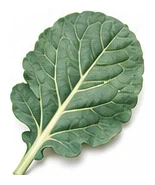
Leaf shape, edges, colour and vein pattern.
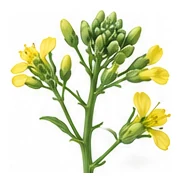
Flower colour, structure and where blooms appear.
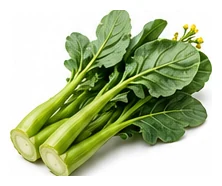
Fruit, root, seed, pod or the strongest identifying feature.
A quick garden-to-table guide for using Chinese Broccoli / Gai Lan after harvest.
Use washed baby leaves and edible flowers in salads.
Steam, sauté or stir-fry tender stems, leaves and buds; cook thicker stems longer than the leafy tops.
Refrigerate harvested shoots promptly for short storage. Blanch tender leaves and shoots before freezing.
Try: Stir-fry, Steamed greens, Sautéed stems, Baby leaf salad.
Harvest stems just as flower buds form for the best texture.
Create a free account to save your garden layout, personal planting calendar, water and fertiliser schedules, seed inventory and harvest logs.
Create Free Account