
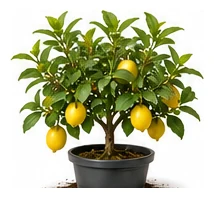
Whole plant
Overall shape, height, branching and growth habit.
Citrus limon
Evergreen citrus grown for acidic yellow fruit. Useful in containers or orchards where frost is limited or winter protection is possible.

When to sow, plant out and harvest in each climate. Plotera turns this into reminders for your own garden, location and planting dates.
| Climate | Sow | Transplant / Plant | Harvest |
|---|---|---|---|
| Tropical | From transplant | Jan - Dec | Jan - Dec |
| Subtropical | From transplant | Mar - Sep | Apr - Oct |
| Mediterranean | From transplant | Mar - May | May - Nov |
| Temperate | Jan - Dec | May - Jun | Jun - Dec |
| Cool | Jan - Dec | May - Jun | Jun - Dec |
| Arid | From transplant | Mar - May | May - Nov |
Lemon is an evergreen citrus tree grown for acidic juice, aromatic rind and fragrant flowers. Depending on the variety and conditions, it may carry flowers and fruit at several stages together, making it useful as well as ornamental. True lemons can become substantial trees, while grafted plants on dwarfing rootstocks are easier to manage in small gardens and containers. Fruit needs time to develop and should be harvested from the tree when mature rather than expected to ripen after picking. A sunny sheltered position, well-drained roots and steady care during active growth are the main requirements. Winter cold limits outdoor growing, especially for young trees, flowers and fruit. Where freezing weather is common, a movable pot and bright frost-free shelter make growing possible, although indoor light levels can limit the crop.
Choose well-drained sandy loam or loam, preferably pH 5.5–6.5. Surface mulch can maintain organic matter but must stay clear of the trunk. Plant in the ground on suitable sites, or on a broad mound where drainage is poor; containers need an open potting mix.
Flowers are perfect, containing male and female parts. A lemon can fruit without another variety; bees and other insects visit outdoor flowers. If indoor flowers fail to set, gently transfer pollen with a small brush.
No trellis is required. Remove rootstock suckers, dead wood and crossing branches; shorten selected growth only when needed to contain the tree. Avoid heavy routine pruning that removes flowering and fruiting growth.
Budding and grafting preserve the variety and provide a rootstock suited to the soil. Cuttings can work but lack the rootstock’s benefits. Seed-grown trees are slower and less predictable.
Start a young dwarfing-rootstock tree in a pot about 40 cm wide and deep. Repot gradually as roots fill the space, using a freely drained mix.
Choose true lemon types for strongly acidic juice, considering thorniness, season and vigour. Compact, milder lemon hybrids are alternatives, but are not botanically identical to true lemons.
Bumps, sticky honeydew and sooty mould appear on leaves or stems. Inspect regularly and use labelled horticultural oil if simple removal is insufficient.
Fine pale stippling and webbing develop on leaves. Wash undersides and use labelled insecticidal soap if needed.
Wet roots cause decline; lower-trunk lesions may ooze gum. Improve drainage, keep the graft and trunk exposed and redirect irrigation away from the trunk.
Warm humid conditions can increase disease and produce coarser rind; maintain airflow and drainage.
Sunny sheltered gardens suit production, with protection during freezing weather.
Dry summers suit production when irrigation is adequate.
Choose a mild protected site or a container that can move under cover.
Provide bright frost-free winter shelter and gradual acclimatisation when moving outdoors.
Use deep irrigation and wind shelter; monitor salinity and protect exposed bark from intense sun.
Overall shape, height, branching and growth habit.
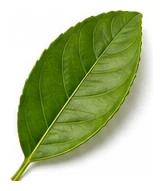
Leaf shape, edges, colour and vein pattern.
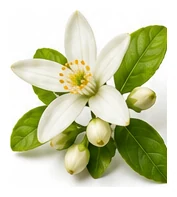
Flower colour, structure and where blooms appear.
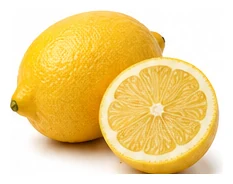
Fruit, root, seed, pod or the strongest identifying feature.
A quick garden-to-table guide for using Lemon after harvest.
Use fresh juice and finely grated zest in drinks, dressings and uncooked dishes.
Use juice and zest in sauces, baking and desserts.
Freeze juice in small portions in suitable containers, leaving space for expansion.
Try: Salad dressing, Lemon drinks, Lemon baking, Lemon sauce.
Keep graft above soil level. Feed regularly during active growth and protect young trees from frost.
Create a free account to save your garden layout, personal planting calendar, water and fertiliser schedules, seed inventory and harvest logs.
Create Free Account