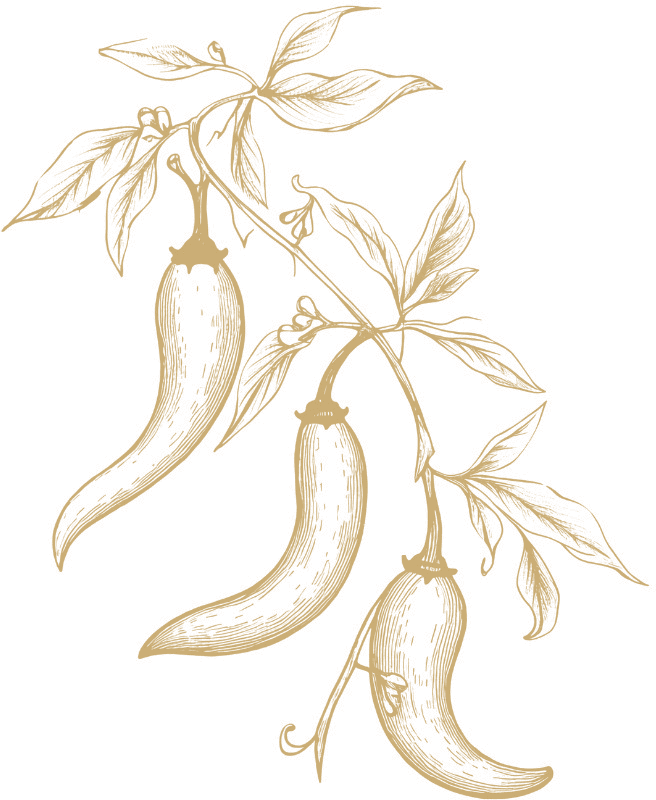

Whole plant
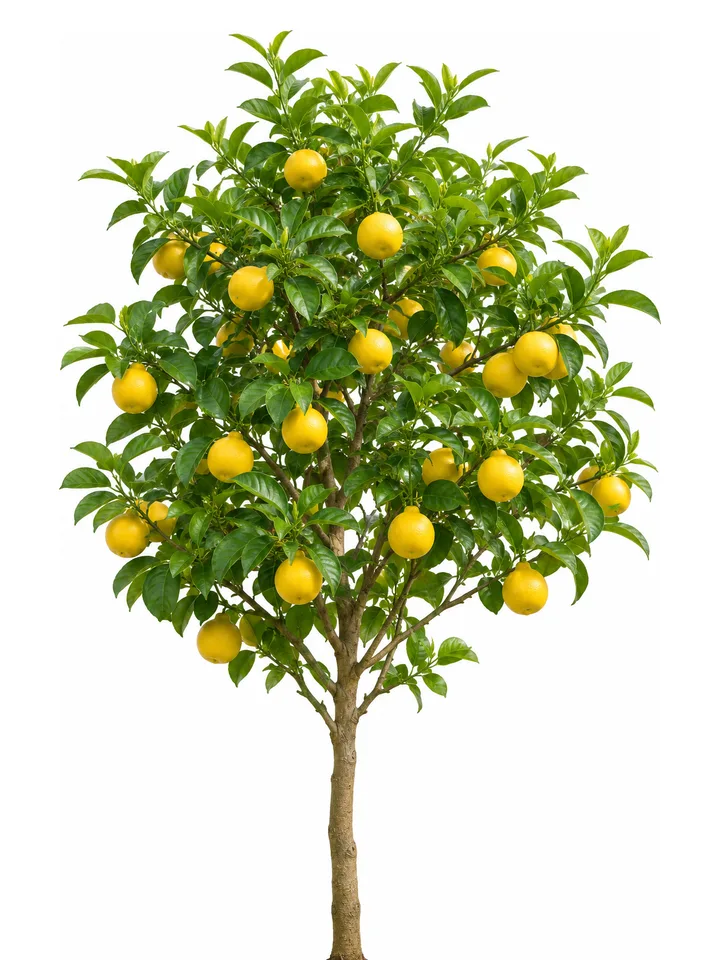
Overall shape, height, branching and growth habit.
Citrus × limon
Citrus hybrid with round, smooth fruit that mature from light green to pale yellow and are low in acid and sweet enough to eat fresh. Compact and heavy cropping.
When to sow, plant out and harvest in each climate. Plotera turns this into reminders for your own garden, location and planting dates.
| Climate | Sow | Transplant / Plant | Harvest |
|---|---|---|---|
| Tropical | From transplant | Jan - Dec | Jan - Dec |
| Subtropical | From transplant | Mar - Sep | Apr - Oct |
| Mediterranean | From transplant | Mar - May | May - Nov |
| Temperate | Jan - Dec | May - Jun | Jun - Dec |
| Cool | Jan - Dec | May - Jun | Jun - Dec |
| Arid | From transplant | Mar - May | May - Nov |
The Lemonade tree is a sweet, low-acid citrus hybrid grown for round to slightly oval fruit that can be peeled, segmented or eaten fresh without the sharpness of a conventional lemon. Its exact parentage is uncertain, and authoritative collections classify it as a sweet-lemon type rather than an ordinary seed-grown lemon. The tree is productive and relatively compact, commonly reaching about 2.5–3 m in gardens, with occasional small thorns. Fruit are usually small to medium and juicy; seed number and ease of peeling vary among descriptions, clones and growing conditions. A grafted plant is preferable because seedlings may not reproduce the parent's fruit quality and take much longer to bear. Lemonade needs full sun, shelter from frost and wind, deep well-drained soil and regular moisture while flowering and fruit are developing. Ripe rind colour may range from light green to pale yellow depending on climate, so judge maturity by full size and taste rather than waiting for a uniformly yellow or soft fruit.
Plant in at least 50 cm of well-drained sandy loam or loam with a pH of 6.0–7.0. Incorporate organic matter across the future root zone, but do not enrich the planting hole alone. Mound the tree or use a raised bed where clay or seasonal waterlogging is unavoidable.
Citrus flowers are bisexual, and sweet-lemon types are generally self-fertile, so one tree can crop. Bees and other insects may improve pollen movement, but a second variety is not normally required. Hand-pollination is unnecessary outdoors; gently transferring pollen with a soft brush can help a protected tree with few insect visitors.
Stake a young tree only until the root system is stable, using flexible ties. Thereafter remove rootstock suckers, dead or crossing wood and crowded inward growth. Avoid severe pruning, which exposes bark to sun and removes fruiting shoots.
Use budding or grafting to preserve the cultivar and obtain earlier, reliable fruit. Semi-hardwood cuttings can clone the top growth but lack the rootstock's soil and size adaptation. Seedlings are variable and unsuitable for reproducing a named Lemonade tree.
A dwarfing rootstock can be maintained in a container that eventually holds about 57 litres. Use a free-draining mix, enlarge the pot gradually and keep the root flare above the medium.
Lemonade is generally sold as a single clonal cultivar. Choose certified grafted plants on a dwarfing rootstock for containers or a more vigorous, locally adapted rootstock for the ground; compare offered clones for seed content, acidity and tree vigour.
Raised corky or wart-like marks form on young leaves, shoots and rind. Start with clean stock, improve airflow, avoid prolonged wet foliage and remove badly affected fallen material.
Leaves and stems carry bumps or cottony clusters, often with sticky honeydew and black sooty growth. Wash or brush off small infestations, prune crowded growth and use horticultural oil if necessary.
Silvery winding tunnels distort tender new leaves. Established trees usually tolerate damage; avoid excessive nitrogen flushes and protect small trees with fine insect mesh during vulnerable growth.
Leaves become stippled or washed-out and fruit may develop bronzing or rough scars. Reduce dust and drought stress, rinse foliage and preserve predatory mites.
Leaves yellow, the canopy thins and bark near the soil may darken or gum. Improve drainage, keep the trunk and graft union dry and never bury the root flare.
Use excellent drainage and airflow, and monitor closely for scale, leafminer and root disease. Some seasonal temperature variation may improve rind colour.
This climate generally supports strong cropping if frost pockets and waterlogged soil are avoided.
Full sun and deep irrigation through the dry season suit the tree well. Shelter young trees from cold winds.
Choose the warmest sheltered position and protect from frost. A dwarf container tree can be moved under cover during cold conditions.
Outdoor cropping is unreliable; use a bright protected structure and maintain temperatures above freezing.
Protect young bark from intense sun, irrigate the whole expanding root zone and manage salt accumulation with occasional thorough leaching where drainage permits.
Overall shape, height, branching and growth habit.
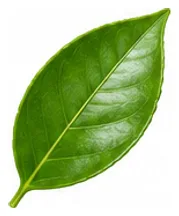
Leaf shape, edges, colour and vein pattern.
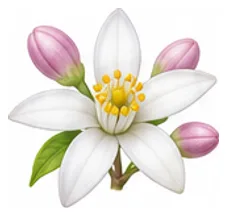
Flower colour, structure and where blooms appear.

Fruit, root, seed, pod or the strongest identifying feature.
A quick garden-to-table guide for using Lemonade Tree after harvest.
Peel and eat the sweet, low-acid segments fresh, or squeeze the juice into cold drinks, dressings and desserts.
Use the juice and finely grated zest in sauces, baking, syrups and gently cooked dishes where a mild citrus flavour is preferred.
Freeze juice or zest in small portions, or make marmalade and cooked preserves using a tested recipe. Refrigerate cut fruit and freshly made juice.
Try: Eaten fresh, Fresh juice, Fruit salad, Iced tea.
Pick fruit when fully yellow and slightly soft; it does not keep as long on the tree as lemons.
Create a free account to save your garden layout, personal planting calendar, water and fertiliser schedules, seed inventory and harvest logs.
Create Free Account