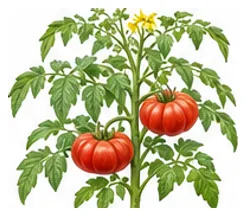
Whole plant
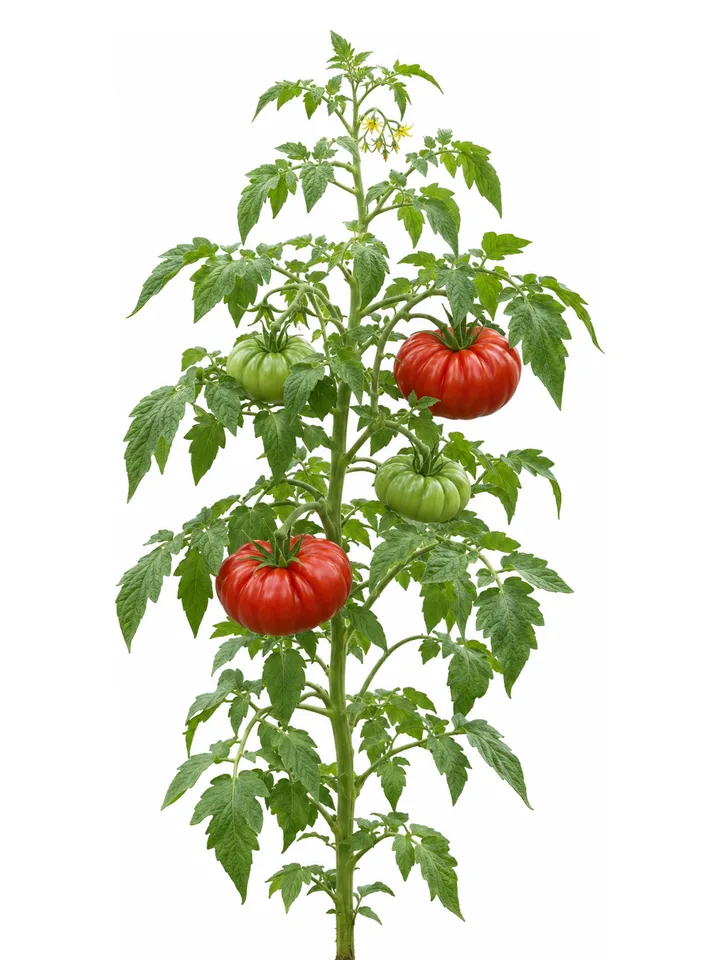
Overall shape, height, branching and growth habit.
Solanum lycopersicum
Tomato with very large, flattened or ribbed fruit and substantial juicy flesh. Slow to ripen but ideal for thick slices.
The foliage contains tomatine and can upset dogs and cats. The ripe fruit is safe.
When to sow, plant out and harvest in each climate. Plotera turns this into reminders for your own garden, location and planting dates.
| Climate | Sow | Transplant / Plant | Harvest |
|---|---|---|---|
| Tropical | Jan - Dec | Jan - Dec | Jan - Dec |
| Subtropical | Jul - Oct | Sep - Nov | Nov - Mar |
| Mediterranean | Aug - Oct | Oct - Nov | Dec - Mar |
| Temperate | Aug - Oct | Oct - Dec | Dec - Mar |
| Cool | Sep - Oct | Nov - Dec | Jan - Feb |
| Arid | Jul - Sep | Sep - Oct | Nov - Feb |
Beefsteak tomatoes are large-fruited slicing tomatoes, usually with flattened or ribbed fruit, many internal seed chambers and substantial juicy flesh. The named red Beefsteak is an indeterminate cordon type, continuing to grow and form flower clusters until cold conditions stop it. Its large fruit takes longer to mature than small-fruited tomatoes, but the reward is a thick slice with a rich balance of sweetness and acidity. Strong support is essential because both the vines and individual trusses become heavy. Thinning each cluster to about four or five well-shaped fruit can improve size and uniform ripening, especially under protected cultivation. Beefsteak is frost-tender and performs best in full sun, rich free-draining soil and a long warm season. Consistent water is particularly important because rapid moisture changes encourage cracking and blossom-end rot in large fruit. Red, pink, yellow, green and dark-fruited beefsteak types exist, with both heirloom and disease-resistant hybrid selections available.
Grow in rich, free-draining but moisture-retentive clay loam, loam or sandy loam amended with mature compost. Suitable pH is 5.5-7.0, with about 6.0-6.8 a useful target. Raised beds help in poorly drained ground; deep garden soil gives the strongest growth.
Beefsteak flowers are perfect and self-fertile. Pollen must still be shaken from the anther cone by wind, buzz-pollinating insects or movement. In a still protected area, tap open trusses gently every few days. Heirloom beefsteaks may have more exposed stigmas and cross more readily, so bag flower clusters or isolate varieties when saving pure seed.
Train indeterminate Beefsteak on a sturdy tall support and tie it regularly. Remove selected side shoots to keep one or two main stems where airflow or space is limited. Two stems generally retain more yield and leaf shade than severe single-stem pruning. Pinch out the growing tip when it reaches the support or when remaining fruit needs time to ripen.
Propagate by seed or seedlings. Beefsteak types include both open-pollinated and hybrid lines: seed from isolated open-pollinated fruit can remain true, while hybrid seed will vary. Use fully ripe, healthy fruit for seed.
Use one plant in a 30-45 cm pot, choosing the upper end for an indeterminate beefsteak. Anchor a tall support securely and expect frequent watering and feeding.
Beefsteak tomatoes occur in red, pink, yellow, green-ripe and dark colours. Choose a cultivar by documented flavour, days to maturity, growth habit, fruit size and disease resistance rather than assuming colour predicts acidity or taste. Short-season and compact bush types suit short seasons or containers, while indeterminate types need stronger support.
Leaves curl or yellow and become sticky as insects feed beneath them. Wash off early colonies, retain natural predators and improve airflow.
Large larvae strip leaves and chew holes in fruit. Inspect plants regularly, remove larvae by hand and discard badly damaged fruit.
Brown spots begin on lower foliage and can cause progressive leaf loss. Rotate planting sites, remove affected lower leaves, mulch and irrigate below the canopy.
Large fruit develops a dark, sunken blossom end when uneven moisture interrupts calcium movement. Maintain consistent irrigation and correct soil chemistry only after testing.
Fruit may split after sudden water uptake or form deeply scarred, misshapen tissue after poor flower development. Keep moisture steady, protect early flowers from temperature extremes and harvest colouring fruit before prolonged wet weather.
Grow during the drier, moderately warm period. Heat above 30 °C and high humidity can reduce pollen performance and increase leaf and fruit disease.
Use the cooler warm season, provide ventilation and shade during extreme heat, and avoid prolonged humid foliage.
A long sunny season suits beefsteak fruit, but deep irrigation and mulch are essential. Maintain leaf cover to prevent sunscald.
Start indoors early and use a sheltered full-sun position after frost. Protected cultivation helps the largest fruit ripen.
Choose short-season or smaller beefsteak selections, grow under cover and limit late trusses so existing fruit can mature.
Use deep soil, mulch, wind shelter and regular irrigation. Retain at least two leafy stems where possible to shade heavy fruit.
Overall shape, height, branching and growth habit.
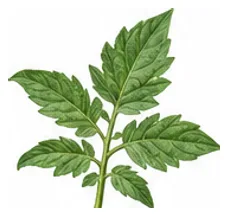
Leaf shape, edges, colour and vein pattern.
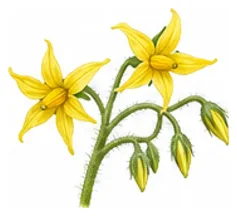
Flower colour, structure and where blooms appear.
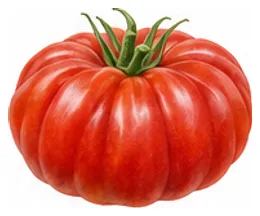
Fruit, root, seed, pod or the strongest identifying feature.
A quick garden-to-table guide for using Beefsteak Tomato after harvest.
Cut ripe fruit into thick slices for sandwiches, salads and fresh platters, or chop it for salsas and dips.
Roast, grill, bake or simmer the juicy flesh into sauces and soups. Allow extra reduction time when a thick result is wanted.
Freeze cooked sauce, dry slices or can whole, crushed or juiced fruit with a tested recipe. All home-canned tomato products must be acidified as directed.
Try: Burger slices, Caprese, Stuffed tomatoes, Thick sandwich.
Create a free account to save your garden layout, personal planting calendar, water and fertiliser schedules, seed inventory and harvest logs.
Create Free Account