
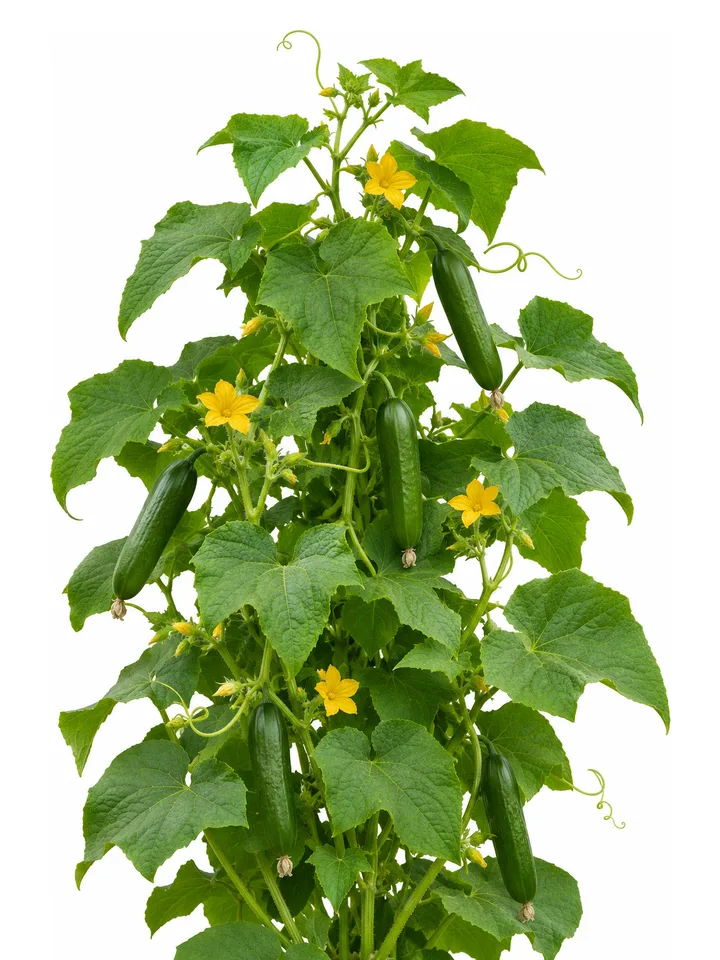
Whole plant
Overall shape, height, branching and growth habit.
Cucumis sativus
Cucumber with short, smooth, thin-skinned dark green fruit eaten skin and all. Crisp and mild when harvested young; bitterness can develop when plants are stressed or fruit is overmature.
When to sow, plant out and harvest in each climate. Plotera turns this into reminders for your own garden, location and planting dates.
| Climate | Sow | Transplant / Plant | Harvest |
|---|---|---|---|
| Tropical | Jan - Dec | Jan - Dec | Jan - Dec |
| Subtropical | Aug - Dec | Sep - Dec | Oct - Feb |
| Mediterranean | Sep - Nov | Oct - Nov | Nov - Feb |
| Temperate | Sep - Nov | Oct - Nov | Dec - Feb |
| Cool | Oct - Nov | Nov - Dec | Jan - Feb |
| Arid | Aug - Oct | Sep - Oct | Oct - Jan |
Lebanese cucumber is a short, smooth, thin-skinned cucumber harvested while dark green, crisp and immature. The skin and soft seeds can be eaten with the flesh, making it convenient for salads, snacks and pickling. It grows as a warm-season climbing vine and produces straight, clean fruit most easily when trained vertically. Many commercial Lebanese or mini-cucumber selections are parthenocarpic: their female flowers form seedless or nearly seedless fruit without pollination. Other outdoor or open-pollinated selections carry separate male and female flowers and require bees, so the seed packet matters. Warm soil, steady moisture and frequent picking are central to production. Harvest at about 12-18 cm every day or two during warm weather; oversized fruit becomes seedy and leaving it on the vine slows further cropping. The delicate skin marks easily, and wind, insects or rough handling can make developing fruit bend. Protect the vine from strong wind, handle fruit gently and remove misshapen or damaged cucumbers promptly.
Use moisture-retentive but well-drained fertile soil with mature compost. The best pH is 6.0-6.5. Raised beds help where drainage is slow; protected beds or windbreaks reduce skin damage. Containers require a free-draining mix that still holds moisture.
Plants bear separate male and female flowers on the same vine, but many Lebanese mini-cucumber selections are parthenocarpic and set fruit without pollination. Traditional outdoor selections need bees to move pollen from male to female flowers. Check the packet: pollination can make some protected-culture parthenocarpic fruit seedy or misshapen, while bee-pollinated types fail without male flowers and insects. Hand-pollinate only the latter.
Train the main vine up a tall trellis, net or strings and tie it loosely until tendrils hold. Pinch the main tip when it reaches the top of the support. Where growth is excessive, shorten flowerless side shoots; avoid removing productive female-flowered laterals.
Grow from seed, either directly in warm soil or in individual pots for careful transplanting. Grafted plants are available for vigorous protected growing. Cuttings and division are not normal methods.
Use one plant in a pot at least 30 cm wide and deep with a tall trellis. Containers need frequent watering and regular light feeding once flowering begins.
Choose parthenocarpic, predominantly female-flowered Lebanese mini types for protected growing and seedless fruit, or outdoor open-pollinated types with male and female flowers where bees are active. Look for powdery- and downy-mildew resistance in humid climates.
White powdery patches spread across older leaves and reduce vigour. Improve airflow, avoid drought stress, remove badly affected leaves and choose resistant selections.
Angular yellow patches develop on leaves, with grey-purple growth beneath in humid conditions. Keep leaves dry, space vines well and remove infected foliage.
Aphids cause curling and sticky leaves and can spread viruses that produce mottled, distorted growth. Wash off aphids, control weeds and remove virus-infected plants.
Brown leaf lesions and cracked, gummy stem areas develop in warm wet conditions. Rotate beds, improve airflow, keep foliage dry and remove infected debris.
Wind, insects or handling damage one side of the tender young fruit, making it curve as it grows. Use a windbreak, trellis carefully and avoid touching developing fruit.
Use a cooler growing window, wind protection and good airflow. Light shade can reduce heat and skin injury, while wet-season humidity greatly increases mildew and blight.
Grow through reliably warm conditions outside the harshest heat and humidity. Trellising and generous spacing improve ventilation.
Sow into warm soil after frost and use mulch with drip irrigation through dry weather. Harvest frequently because fruit develops quickly.
Start under cover or direct-sow after soil warms. A sunny sheltered trellis extends the useful season.
Use a greenhouse, tunnel or warm wall and choose parthenocarpic protected-culture selections. Cold soil causes poor germination and stalled growth.
Provide wind protection, afternoon shade during extreme heat and frequent deep watering. Containers may need daily checks when fruiting.
Overall shape, height, branching and growth habit.
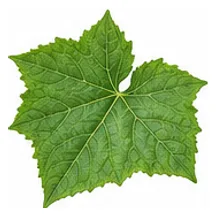
Leaf shape, edges, colour and vein pattern.
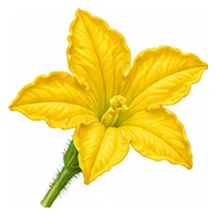
Flower colour, structure and where blooms appear.

Fruit, root, seed, pod or the strongest identifying feature.
A quick garden-to-table guide for using Lebanese Cucumber after harvest.
Eat washed, non-bitter fruit skin and all in salads, sandwiches, cold soups or as crisp sticks. If a fruit tastes strongly bitter, do not eat it.
Briefly grill, sauté or braise firm fruit so it softens without becoming watery.
Use small firm fruit for refrigerator pickles or a tested acidified pickling recipe. Keep refrigerator pickles chilled.
Try: Sliced in salads, Tzatziki, Snack sticks, Quick pickles.
Create a free account to save your garden layout, personal planting calendar, water and fertiliser schedules, seed inventory and harvest logs.
Create Free Account