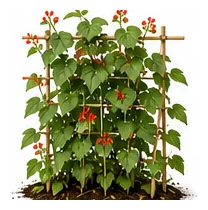
Whole plant
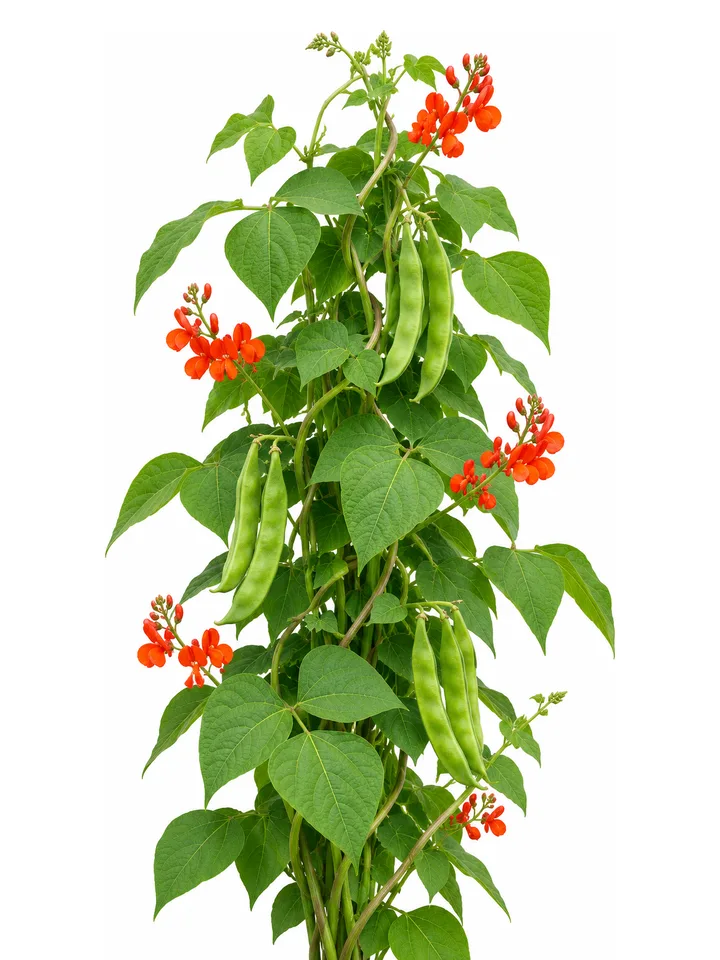
Overall shape, height, branching and growth habit.
Phaseolus coccineus
Vigorous climbing bean with ornamental flowers and edible pods or dry beans. Performs especially well in cool temperate gardens.
When to sow, plant out and harvest in each climate. Plotera turns this into reminders for your own garden, location and planting dates.
| Climate | Sow | Transplant / Plant | Harvest |
|---|---|---|---|
| Tropical | Jan - Dec | Jan - Dec | Jan - Dec |
| Subtropical | Jul - Oct | Sep - Dec | Nov - May |
| Mediterranean | Aug - Oct | Oct - Dec | Dec - Apr |
| Temperate | Mar - May | May - Jun | Jul - Oct |
| Cool | Apr - May | Jun | Aug - Oct |
| Arid | Jul - Sep | Sep - Oct | Nov - Mar |
Runner beans combine showy flowers with a generous harvest of long edible pods. Most are vigorous climbers, although dwarf forms suit smaller gardens and containers. They are particularly productive in mild, relatively cool growing weather with plenty of moisture. Hot conditions can interrupt pod setting even when flowers are abundant, so a large vine does not always mean a large harvest. Pick pods while young and tender, before their seeds become prominent or their seams develop tough strings. Regular picking keeps the plants flowering and producing. Older pods can be left for shelling or dried seeds, provided those seeds are cooked thoroughly. Although usually grown as annuals, runner beans are tender perennials with tuberous roots that can survive in suitable mild conditions. Their height and colourful flowers also make them useful seasonal screens.
Provide fertile, moisture-retentive but well-drained soil enriched with well-rotted organic matter. Test acidic soil and correct pH below 6.5 before planting. Grow in the ground or a substantial raised bed where roots have room and drainage is reliable.
Flowers contain both male and female parts. Traditional runner beans benefit strongly from bees entering and operating the flowers, and varieties can cross. Some hybrid-derived types set more reliably through self-fertilisation. Encourage insects rather than routinely hand-pollinating; heat and dry roots can still prevent pod set.
Use securely anchored poles or a trellis about 250 cm tall. Pinch out climbing tips when they reach the top; dwarf plants can use short twiggy supports to keep pods off the ground.
Grow from seed, either directly sown or started in individual pots. Allow selected healthy pods to dry for seed saving, keeping varieties isolated where true-to-type seed matters.
For climbing types, use a container at least 75 cm wide and 45 cm deep. Dwarf types can use containers 30–45 cm wide; provide drainage and secure supports.
Choose dwarf forms for pots and exposed sites, climbing forms for prolonged picking, and stringless pod types for easier preparation. Hybrid-derived, more self-fertile types can improve reliability in hot weather.
Flowers drop without pods, often during hot or dry weather. Keep roots moist, mulch and encourage bee access; choose types with more reliable self-fertilisation.
Seedlings disappear or develop ragged holes. Inspect after dark, remove the animals and protect young plants.
Colonies cluster on soft shoots and may leave sticky honeydew. Remove small colonies by hand and preserve natural predators.
Pale spots develop into rusty pustules on leaves. Remove infected debris, improve airflow and avoid wetting foliage.
Continuous heat can limit pod setting; try the coolest available growing period and types with improved self-fertilisation.
Aim for mild frost-free conditions rather than the hottest part of the growing season.
Grow during a mild frost-free window and irrigate generously as dry weather develops.
Plant after the last frost; cool, moist summers favour a sustained crop.
Start seeds under protection to extend the season, then transplant after frost danger passes.
Hot, dry air and drying roots can reduce pod set; mulch and maintain reliable irrigation.
Overall shape, height, branching and growth habit.
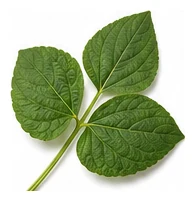
Leaf shape, edges, colour and vein pattern.
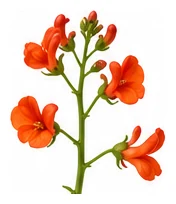
Flower colour, structure and where blooms appear.
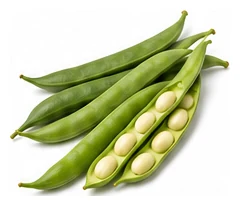
Fruit, root, seed, pod or the strongest identifying feature.
A quick garden-to-table guide for using Runner Bean after harvest.
Cook pods and seeds before eating. The flowers are edible and can be used sparingly as a salad garnish.
Remove strings from young pods, slice and boil, steam or sauté until tender. Soak dried seeds for at least 5 hours, discard the soaking water, then boil them hard in fresh water until completely soft (at least 30 minutes). Never eat raw or undercooked seeds, and do not cook them from raw in a slow cooker.
Blanch tender pods, cool promptly, drain and freeze. Mature seeds can be dried thoroughly for storage; soak them and boil hard in fresh water until soft before eating.
Try: Sautéed pods, Steamed pods, Boiled dried beans, Flower garnish.
Create a free account to save your garden layout, personal planting calendar, water and fertiliser schedules, seed inventory and harvest logs.
Create Free Account