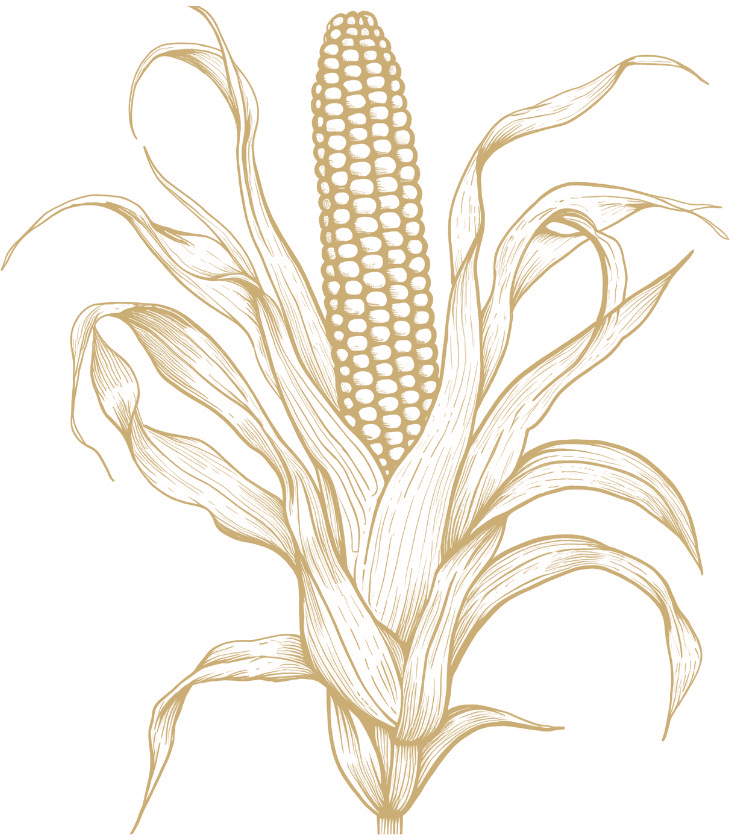

Whole plant
Overall shape, height, branching and growth habit.
Solanum lycopersicum
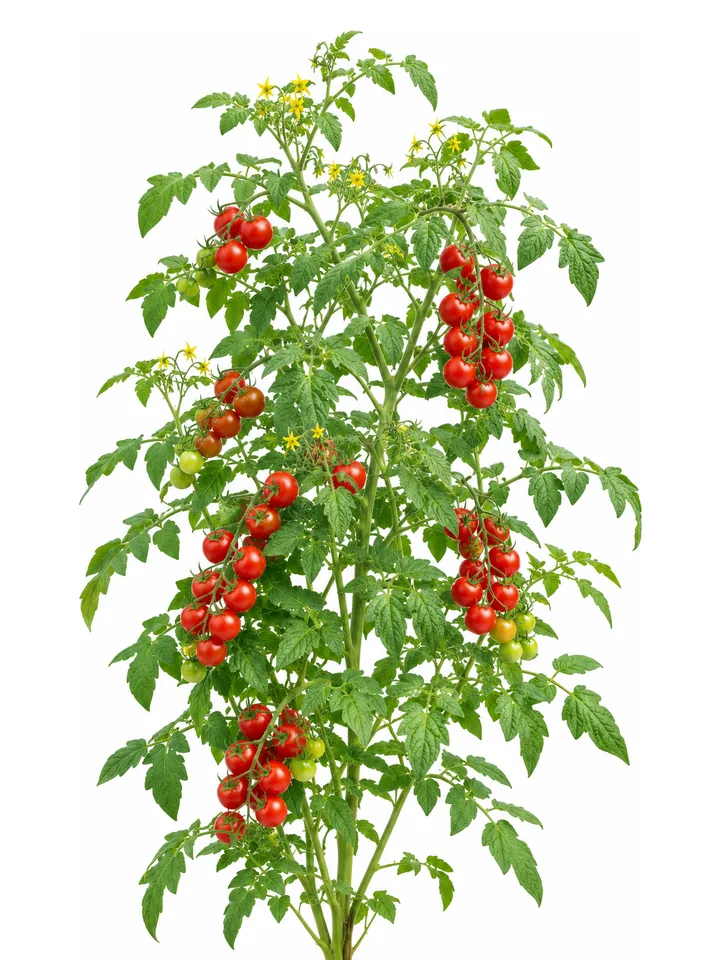
Vigorous, tall tomato carrying long trusses of small, round, apricot-sized red fruit. Sweet, tangy and very reliable.
When to sow, plant out and harvest in each climate. Plotera turns this into reminders for your own garden, location and planting dates.
| Climate | Sow | Transplant / Plant | Harvest |
|---|---|---|---|
| Tropical | Jan - Dec | Jan - Dec | Jan - Dec |
| Subtropical | Jul - Oct | Sep - Nov | Nov - Mar |
| Mediterranean | Aug - Oct | Oct - Nov | Dec - Mar |
| Temperate | Aug - Oct | Oct - Dec | Dec - Mar |
| Cool | Sep - Oct | Nov - Dec | Jan - Feb |
| Arid | Jul - Sep | Sep - Oct | Nov - Feb |
Tommy Toe is a vigorous, open-pollinated cherry tomato grown as a tall indeterminate vine. It carries clusters of round red fruit about 30-40 mm across, larger than many tiny cherry types but still convenient for snacking and salads. The fruit is notably sweet, with enough acidity to give it a lively flavour, and is also useful for salsa and drying. Once cropping starts, the vine continues producing while warm conditions last, so frequent picking prevents ripe fruit from becoming soft or splitting. Its long, leafy stems need a tall stake, trellis or strong cage rather than a short support. Small-fruited tomatoes are generally quicker and easier to ripen than large slicing types, making Tommy Toe useful where the warm season is moderate, although it still cannot tolerate frost. Consistent moisture, full sun and regular harvesting give the best fruit quality. Pick as soon as each fruit has coloured fully and releases easily, rather than leaving entire trusses to become overripe.
Use fertile, well-drained loam with mature compost and a pH of 5.5-7.0, ideally around 6.0-6.8. Raised beds improve drainage in heavy ground. Rotate away from soil recently used for related plants.
The perfect flowers contain both male and female parts and are self-fertile. Wind and buzz-pollinating bees vibrate pollen free; gently tapping flowering trusses is useful under cover. Tommy Toe is open-pollinated, so saved seed can remain true when flowers are protected from accidental crossing.
Provide a support tall enough for an indeterminate vine and tie stems loosely as they grow. Train to one or two main stems where space is limited, removing small unwanted side shoots, but retain enough foliage to feed and shade the many fruit clusters.
Grow from seed. Because Tommy Toe is open-pollinated, seed selected from healthy, typical fruit can reproduce the variety if crossing is controlled. Grafted plants can be used where stronger roots or soil-disease resistance are needed.
Use one plant in a pot at least 45 cm wide and deep, secured against tipping and fitted with a tall support. The vigorous vine needs more root room and water than compact patio types.
The main forms are red Tommy Toe and a yellow-fruited Tommy Toe selection. Both are tall, indeterminate cherry types; choose red for the traditional sweet-tangy profile or yellow for a milder, colourful harvest.
Ripe fruit splits after uneven moisture or heavy rain. Water consistently, mulch and pick promptly as fruit colours.
Brown spotted lower leaves yellow and die. Rotate the planting site, keep foliage dry, improve airflow and remove badly affected leaves.
Colonies beneath leaves cause curling, sticky residue and weakened growth. Wash them off, remove heavily infested foliage and conserve natural predators.
Dark sunken areas form at the blossom end, usually after moisture stress. Keep the root zone evenly moist and avoid root damage or excessive nitrogen.
Grow in the cooler, less humid season with excellent airflow. Small fruit can be more reliable than large-fruited types, but prolonged hot nights still reduce flower set.
Use the mild-to-warm growing window and protect flowers from peak heat. Space generously where humidity increases leaf disease.
Plant after frost danger and use mulch with deep irrigation through dry weather. Frequent harvest limits splitting when rain returns.
Start under cover and plant into warm soil after frost. The small fruit generally ripens more reliably than large late-season tomatoes.
Use the warmest sheltered site or protection and begin with advanced transplants. Train vertically to maximise light and airflow.
Mulch and water deeply at regular intervals. Retain foliage for shade and expect reduced set during extreme heat.
Overall shape, height, branching and growth habit.

Leaf shape, edges, colour and vein pattern.

Flower colour, structure and where blooms appear.

Fruit, root, seed, pod or the strongest identifying feature.
A quick garden-to-table guide for using Tommy Toe Tomato after harvest.
Eat fully coloured fruit whole, halve it for salads, or use it in fresh salsa.
Roast whole or simmer into a bright, lightly textured sauce; the small fruit cooks quickly.
Dry halved fruit or freeze it for later cooking. Use a tested recipe for bottled sauce, salsa or chutney.
Try: Lunchbox snack, Roasted on the vine, Quick pasta, Kebabs.
Create a free account to save your garden layout, personal planting calendar, water and fertiliser schedules, seed inventory and harvest logs.
Create Free Account