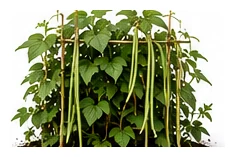
Whole plant
Overall shape, height, branching and growth habit.
Vigna unguiculata subsp. sesquipedalis
Tropical climbing bean with very long pods harvested young. Excellent for hot humid summers where common beans struggle.
When to sow, plant out and harvest in each climate. Plotera turns this into reminders for your own garden, location and planting dates.
| Climate | Sow | Transplant / Plant | Harvest |
|---|---|---|---|
| Tropical | Jan - Dec | Jan - Dec | Jan - Dec |
| Subtropical | Sep - Dec | Sep - Dec | Jan - Dec |
| Mediterranean | Sep - Nov | Nov - Dec | Jan - Dec |
| Temperate | Mar - May | May - Jun | Jul - Oct |
| Cool | Apr - May | Jun | Aug - Oct |
| Arid | Sep - Nov | Sep - Nov | Jan - Dec |
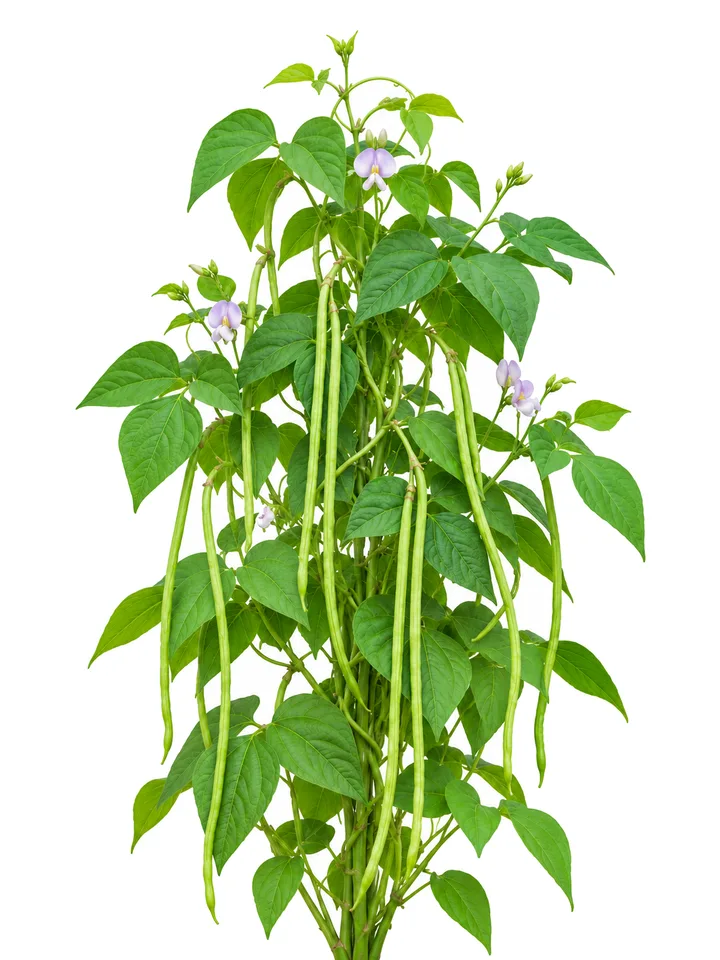
Yardlong bean is a vigorous warm-season vine grown for unusually long, slender edible pods. Despite the name, waiting for maximum length is usually a mistake: pods taste best while young, flexible and tender, before their seeds enlarge and the walls toughen. It is well suited to hot growing conditions and can remain productive where a cool-season crop would struggle. Give the vines a sturdy trellis so the hanging pods stay accessible and off the soil. Harvesting can become a daily job once plants start producing. Pod colour, length and maturity vary between types, so judge tenderness as well as size. Cold weather, frost and waterlogging reduce growth, and a short cool summer may not provide enough warmth for useful yields. The flowers and hanging pods also make a productive trellis an attractive garden feature.
Use well-drained sandy loam, loam or clay improved with organic matter. A preferred pH of 5.5–6.5 is suitable, although wider tolerance is reported. Mound or raise beds where heavy rain would otherwise saturate roots.
Flowers contain male and female structures and can self-pollinate. Bees also visit and can transfer pollen between plants, so provide insect access and isolate varieties for seed saving. Routine hand-pollination is unnecessary outdoors.
Provide a strong trellis before planting; vines can exceed 300 cm. Guide shoots onto it and remove dead or badly crowded growth to improve ventilation.
Grow from seed, preferably direct sown. Young transplants can be used carefully; save seed from fully mature dry pods.
Use a draining planter with at least 30 cm of soil depth and a securely anchored trellis. Check moisture frequently as vines fill the support.
Look for locally adapted early types where summers are short. Light-green, dark-green and coloured-pod forms offer different appearances; select for tenderness and reliable production.
Colonies cluster on shoots and leave sticky honeydew. Remove infested tips or wash off small colonies and encourage predators.
Leaves become finely speckled, sometimes with webbing in dry weather. Prevent repeated wilting and remove heavily infested foliage.
White powder spreads across leaves. Improve airflow, avoid overcrowding and remove severely affected foliage.
Seedlings develop ragged holes or disappear. Inspect after dark, remove the animals and protect vulnerable plants.
Warm weather suits growth, including rainy conditions where soil drains freely.
Grow through a warm frost-free period and maintain irrigation during dry spells.
Wait for warm conditions and irrigate through the dry growing season.
Use the warmest frost-free part of the season; early types improve the chance of harvest.
Outdoor yields may be low because the crop needs sustained heat; sheltered protection may be necessary.
Heat tolerance is useful, but dependable moisture is still needed for tender, productive pods.
Overall shape, height, branching and growth habit.
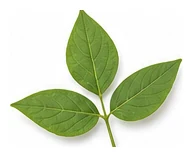
Leaf shape, edges, colour and vein pattern.
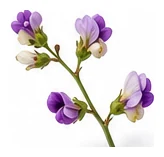
Flower colour, structure and where blooms appear.
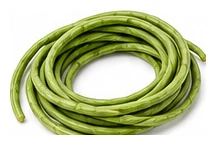
Fruit, root, seed, pod or the strongest identifying feature.
A quick garden-to-table guide for using Yardlong Bean after harvest.
Young, washed pods can be eaten raw while tender. Avoid fibrous, overmature pods.
Cut tender pods into convenient lengths and stir-fry, steam or boil. Harvest before seeds enlarge for better texture.
Keep freshly picked pods cool and use them promptly. Fully mature pods can be dried for seed saving.
Try: Stir-fry, Steamed pods, Boiled beans.
Create a free account to save your garden layout, personal planting calendar, water and fertiliser schedules, seed inventory and harvest logs.
Create Free Account