

Dappled beats solid
Shade under a light tree canopy moves through the day and totals far more usable light than the same hours behind a solid wall. Dappled shade is much more workable than it looks.
Most vegetable advice assumes six or more hours of direct sun, which a great many gardens simply do not have. The useful distinction is not sun versus shade but what you are asking the plant to produce: leaves tolerate shade far better than fruit.
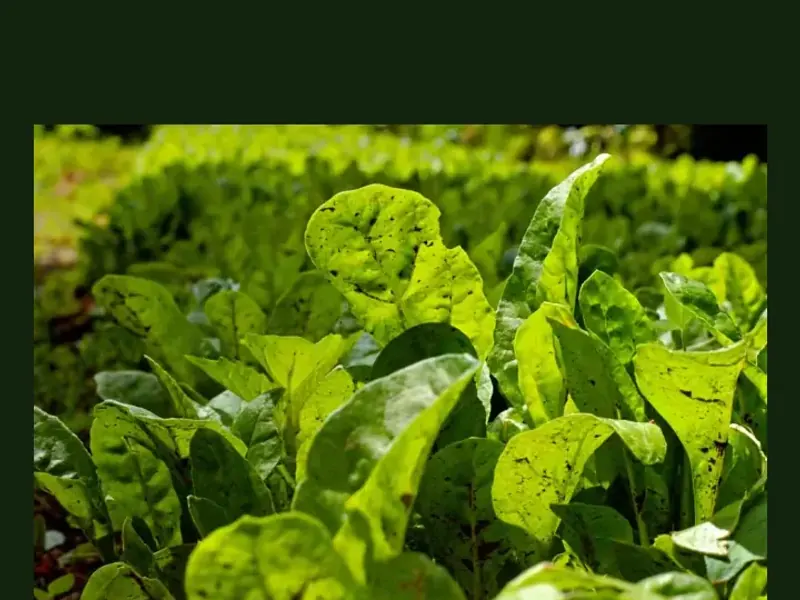
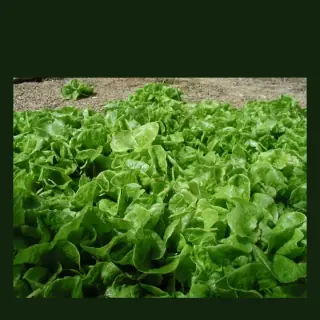
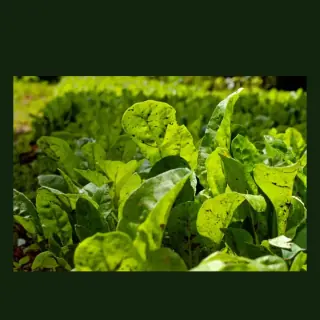
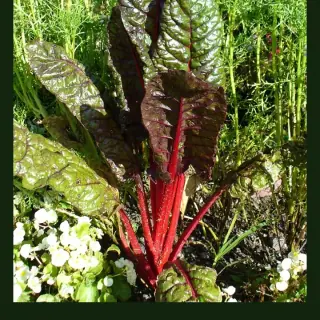
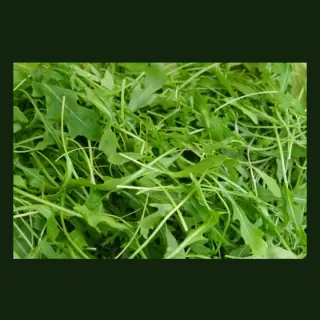
Leafy crops are the most shade-tolerant, because you are harvesting the plant's solar panels rather than asking it to fund something expensive. Lettuce, spinach, silverbeet, rocket and most soft herbs will produce usably in four or five hours of sun, and some prefer shade in hot weather because it delays bolting.
Root crops sit in the middle. They will grow in partial shade but the roots stay smaller, because a root is stored energy and there is less energy to store.
Fruiting crops are the least tolerant. Tomatoes, capsicum, cucurbits and anything that has to flower and then ripen fruit need a lot of light. In deep shade they will grow leaves and produce very little worth eating, which is the most common disappointment in a shaded garden.
Productive with four or five hours of sun.
Every crop in the encyclopedia not marked as needing full sun. Those listed as part shade are the most tolerant; full-or-part will manage but generally do better with more light.
| Crop | Sun needs | Days to harvest | Category |
|---|---|---|---|
 Angelica Angelica | Part | 365-540 days | Herbs |
 Balsam Balsam | Part | 70-100 days | Flowers |
 Chervil Chervil | Part | 40-60 days | Herbs |
 Chinese Celery Chinese Celery | Part | 80-110 days | Herbs |
 Galangal Galangal | Part | 270-365 days | Roots |
 Ginger Ginger | Part | 270-300 days | Roots |
| Crop | Sun needs | Days to harvest | Category |
|---|---|---|---|
 Gooseberry Gooseberry | Part | 365-730 days | Fruits |
 Gotu Kola Gotu Kola | Part | 60-90 days | Herbs |
 Lemon Balm Lemon Balm | Part | 70-90 days | Herbs |
 Lovage Lovage | Part | 85-100 days | Herbs |
 Mizuna Mizuna | Part | 25-45 days | Brassicas |
 Native River Mint Native River Mint | Part | 60-90 days | Herbs |
Tolerating shade is not the same as preferring it. Most of these will still be more productive in more light — the point is that they remain worthwhile without it.
Shade under a light tree canopy moves through the day and totals far more usable light than the same hours behind a solid wall. Dappled shade is much more workable than it looks.
A bed with morning sun and afternoon shade is often better in hot climates than the reverse, because plants photosynthesise in the cool part of the day and avoid the harshest heat.
A spot that is sunny in midsummer can be shaded for months either side as the sun drops. Judge a bed across the season you intend to grow in, not the day you plan it.
Cut-and-come-again leaves are both shade-tolerant and productive, which is a useful combination — see the easy high-yield guide.
Packing plants closer in low light makes competition worse, not better — see the small space guide.
Sun requirements are recorded for every entry in the plant encyclopedia.
Leafy crops are the most tolerant — lettuce, spinach, silverbeet, rocket, Asian greens and most soft herbs. Many will produce usably with four or five hours of sun, and some benefit from afternoon shade in hot weather.
Fruiting crops such as tomatoes generally want six or more hours. Root crops manage with less but stay smaller. Leafy crops are the most forgiving and can work with four or five, particularly if the light is bright rather than deeply shaded.
Not really, if you want fruit. Tomatoes need substantial light to flower and ripen, and in shade they tend to produce leafy growth with little worthwhile crop. If one bed gets full sun, that is where fruiting crops should go.
Considerably. Dappled shade under a light canopy shifts through the day and delivers far more total light than the same hours behind a solid structure, so it is much more workable than it appears.
Usually yes. Days-to-harvest figures assume good light, so expect a shaded crop to take longer rather than to fail. Plan around a longer occupancy of the bed.
In hot climates, yes. Afternoon shade slows bolting in lettuce and other leafy crops and reduces heat stress, so a partly shaded bed can outproduce a full-sun one in midsummer.
Create a free account to save your garden layout, personal planting calendar, water and fertiliser schedules, seed inventory and harvest logs.
Create Free Account