
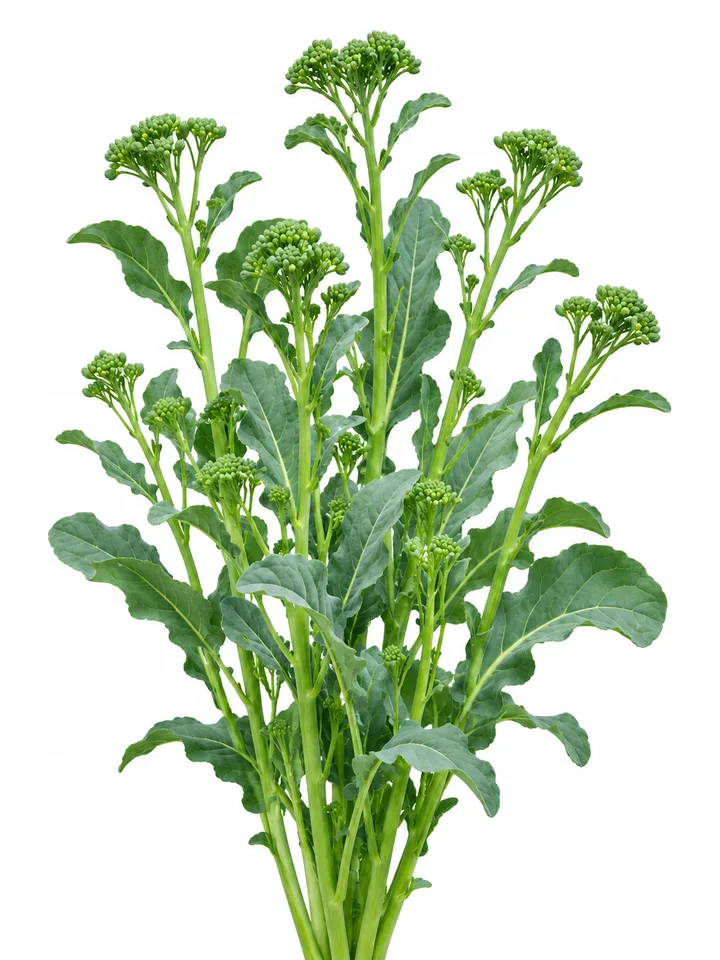
Whole plant
Overall shape, height, branching and growth habit.
Brassica oleracea Italica Group × Alboglabra Group
Broccoli hybrid that grows many long, slender, tender stems each topped with a small floret. Picked again and again after the first cut.
When to sow, plant out and harvest in each climate. Plotera turns this into reminders for your own garden, location and planting dates.
| Climate | Sow | Transplant / Plant | Harvest |
|---|---|---|---|
| Tropical | Apr - Aug | Apr - Aug | Jun - Nov |
| Subtropical | Feb - Aug | Feb - Aug | Apr - Nov |
| Mediterranean | Feb - Aug | Feb - Aug | Apr - Nov |
| Temperate | Feb - Aug | Mar - Sep | Apr - Nov |
| Cool | Feb - Jul | Mar - Aug | Apr - Oct |
| Arid | Mar - Jul | Mar - Jul | May - Oct |
Broccolini is a hybrid between standard broccoli and Chinese broccoli. It produces a modest central shoot followed by numerous slender side shoots, each carrying a small cluster of unopened flower buds. The tender stems, leaves and buds are all edible, and the flavour is generally sweeter and less strongly brassica-like than a large broccoli head. Its repeated-shooting habit distinguishes it from ordinary heading broccoli and allows several harvests from one plant. Broccolini is still a cool-season crop, but many selections tolerate warmth better than standard broccoli. Quality is highest when growth is steady and shoots are cut while their buds remain tight, before yellow flowers open. Cutting the central stem first encourages side branches to develop. Plants need fertile soil, reliable moisture and early protection from caterpillars, root flies and flea beetles. Most broccolini seed is hybrid, so saved seed is unlikely to reproduce the same combination of long stems, small heads and uniform growth.
Grow in fertile, well-drained but moisture-retentive soil with plenty of mature compost or well-rotted manure. Aim for pH 6.0–7.0, correcting strongly acidic soil before planting to reduce clubroot risk. Firm ground supports the upright plants; use raised beds where drainage is poor.
Broccolini has perfect flowers, but its Brassica oleracea parentage is normally insect cross-pollinated and often self-incompatible. Pollination is unnecessary for harvesting shoots because buds are cut before opening. Most selections are F1 hybrids and will not come true from saved seed; flowering plants can also cross with other Brassica oleracea crops.
Earth up the base or stake plants in exposed positions. The first central-stem cut is the main productive pruning; afterward, remove shoots at harvest and leave healthy lower leaves and branch points to generate more stems.
Propagate from purchased seed or transplants. Because broccolini is commonly an F1 hybrid, saved seed is variable. Cuttings, division and grafting are not normal production methods.
Use at least 19 L and 30–45 cm depth for one plant. Choose a heavy, free-draining container and stake tall plants if wind can loosen the roots.
Choose green types for the familiar sweet flavour, purple or purple-green types for colour, compact early types for short seasons and containers, heat-tolerant selections for warm climates, and types that do not require a cold period before bud formation. Nearly all are hybrids, so compare uniformity, side-shoot yield and disease resistance.
Larvae chew leaves and contaminate shoots with droppings. Exclude adults with fine mesh and hand-pick eggs and caterpillars.
Numerous pinholes appear in young leaves, checking establishment. Use mesh, control nearby host weeds and keep seedlings growing steadily.
Plants wilt or collapse as larvae damage the roots. Use root barriers or insect mesh, firm plants well and remove badly affected roots.
Roots become swollen and distorted, and plants wilt in warm weather despite moist soil. Improve drainage and pH and rotate away from susceptible plants for several years.
Buds loosen and yellow flowers open before useful stems develop, usually after heat or growth stress. Maintain moisture, choose heat-tolerant types and harvest shoots earlier.
Grow during the coolest conditions available and choose heat-tolerant selections. Fine mesh and good airflow are important under high pest and humidity pressure.
Cool-season production is most reliable, although broccolini often withstands moderate warmth better than heading forms. Harvest frequently as temperatures rise.
Plant for cool-season harvests and irrigate consistently through dry spells. Mild conditions can support a long sequence of side shoots.
Grow spring and autumn crops, selecting short-season types where summer heat arrives quickly. Light frost is tolerated by established plants.
Use early selections and transplants to fit the short season. Protected growing can improve establishment and extend side-shoot harvests.
Mulch and irrigate deeply to prevent small, bitter shoots. Wind protection prevents tall plants from rocking loose.
Overall shape, height, branching and growth habit.
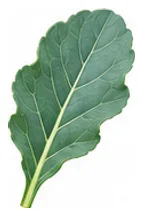
Leaf shape, edges, colour and vein pattern.

Flower colour, structure and where blooms appear.

Fruit, root, seed, pod or the strongest identifying feature.
A quick garden-to-table guide for using Broccolini after harvest.
Very young shoots can be sliced into salads or served as crisp dipping stems. Wash carefully around the bud clusters.
Steam, sauté, roast, grill or stir-fry the complete tender shoots. Brief cooking preserves their colour and prevents the small buds from becoming soft.
Blanch and freeze sound shoots soon after harvest. Refrigerate fresh stems promptly because open buds and yellowing indicate declining quality.
Try: Steamed with butter, Charred broccolini, Stir-fry, Pasta.
Create a free account to save your garden layout, personal planting calendar, water and fertiliser schedules, seed inventory and harvest logs.
Create Free Account