

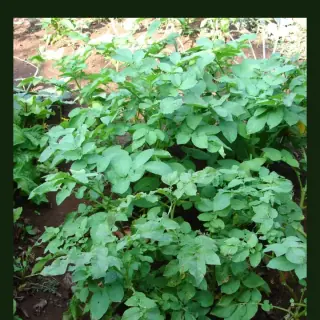

Prefers acidic soil
below pH 6.0 · 1 in the encyclopedia
pH is one of the more over-discussed topics in gardening. It genuinely matters, but not because plants dislike acidity or alkalinity in itself. It matters because pH controls which nutrients the soil will actually release.
Nutrients in soil are only available to roots within certain pH ranges. Push the soil too far in either direction and nutrients that are physically present become locked up and unavailable — so a plant can show a deficiency in soil that contains plenty of what it needs.
Most vegetables sit comfortably between slightly acidic and neutral, which is why a great many gardens never need to think about pH at all. It becomes worth investigating when plants underperform for no obvious reason, or when a specific crop repeatedly struggles while its neighbours do fine.
A spread across the acidic to neutral range.
Grouped by the range recorded for each crop. Most plants fall into the middle band, which is why a broadly neutral bed suits nearly everything.
below pH 6.0 · 1 in the encyclopedia
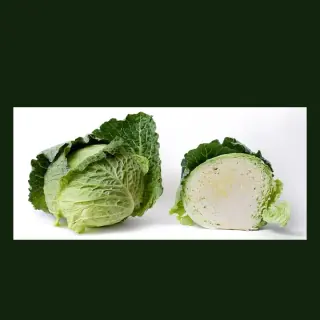
pH 5.5 to 7.0 · 127 in the encyclopedia
Amaranth, Apple, Artichoke, Asparagus, Aster, Annual, Aster, Perennial +121 more in Plant Encyclopedia
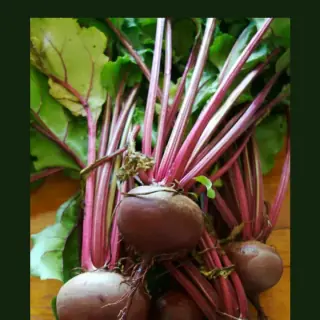
above pH 7.2 · 84 in the encyclopedia
Agastache, Ageratum, Aloe Vera, Alyssum, Angelica, Apricot +78 more in Plant Encyclopedia
These are preferences, not hard limits. Most crops tolerate a wider range than their ideal, particularly where soil is otherwise healthy.
A cheap test kit is worth more than any guess based on what grows locally. pH also varies across a garden, so test the bed you are actually worried about rather than one sample for everything.
Soil pH shifts gradually and over-correcting is harder to undo than the original problem. Small adjustments across a season are safer than trying to fix it in one go.
Compost tends to buffer soil towards the middle of the range and improves nutrient availability at the same time. It is usually the better first move than a targeted pH amendment.
Symptoms often blamed on soil — poor growth, dropped flowers, split fruit — are more commonly caused by irregular watering. Rule that out first, since it costs nothing.
A crop in insufficient light will underperform whatever the soil chemistry. Check sun hours across a full day before reaching for a test kit.
Repeated plantings of one family build up pest and disease pressure that looks like a soil problem — see the crop rotation guide.
Potting mix comes with a pH set by the manufacturer and drifts over time as you water and feed. Replacing mix is easier than adjusting it — see the small space guide.
Each entry in the plant encyclopedia records its preferred pH range.
pH amendments act slowly, over months. Without a note of what was applied and when, it is impossible to tell whether it worked.
Most sit comfortably between slightly acidic and neutral, roughly pH 6.0 to 7.0. Within that band the majority of nutrients remain available, which is why many gardens never need to adjust pH at all.
Not as a matter of routine. It is worth testing when plants underperform without an obvious cause, or when one crop repeatedly struggles while others in the same bed do well. A cheap kit is sufficient for a home garden.
Garden lime is the usual way to raise pH; sulphur or acidic organic matter to lower it. Both act slowly and are easy to overdo, so small adjustments across a season are safer than a single large application.
Yes. Imported soil or mix arrives with its own pH, which may not match what you expect, and it drifts over time with watering and feeding. Raised beds are worth testing separately from ground soil.
Usually not. Irregular watering, insufficient sun and repeated plantings of the same family are all more common causes. Rule those out first, since they are cheaper and faster to address.
Compost tends to buffer soil towards the middle of the range rather than dramatically shifting it, and it improves nutrient availability at the same time. It is generally the better first step.
Create a free account to save your garden layout, personal planting calendar, water and fertiliser schedules, seed inventory and harvest logs.
Create Free Account