

Very Hardy
16 plants · Handles repeated frost. Can usually stay out through winter.
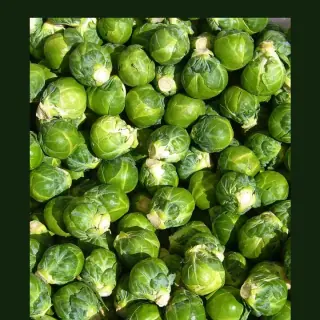
Asparagus, Bee Balm, Brussels Sprouts, Chives, Currant, Daisy, Shasta and 10 more in Plant Encyclopedia
Frost is the one weather event that ends a crop overnight rather than gradually. The useful thing is that hardiness is predictable: plants fall into fairly clear groups, and once you know which group a crop is in you know whether it can stay out.
Tender crops are killed or badly damaged by frost. Tomatoes, capsicum, beans, cucurbits and basil belong here — they need frost-free weather and warm soil, and there is no protecting them through a hard freeze in the open ground.
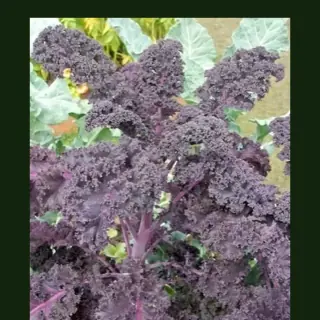
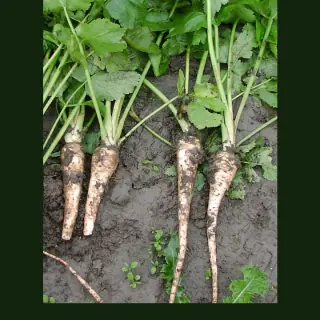
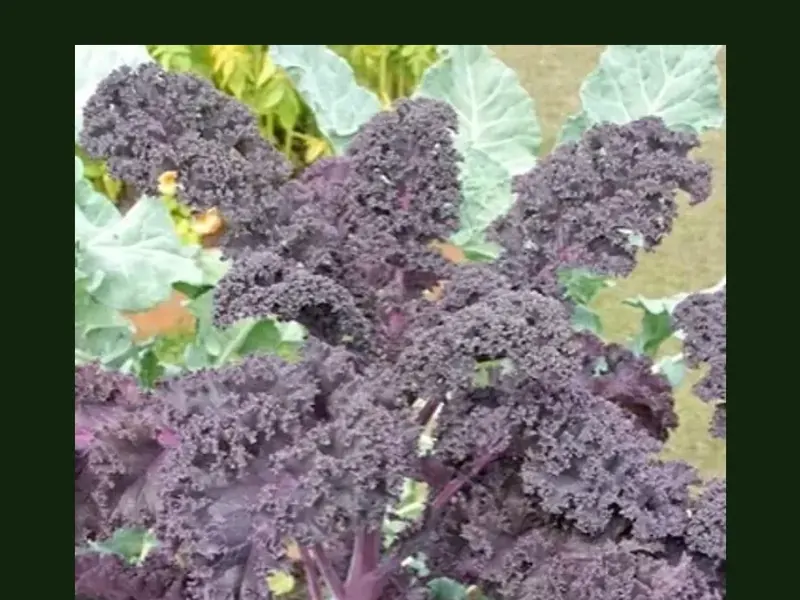
Hardy crops tolerate light frost, and several genuinely improve after one. Cold converts starches to sugars in a number of root and brassica crops, which is why parsnips and kale are often said to taste better after the first frost.
Very hardy crops handle repeated frost and can usually stay in the ground through winter, which makes them the basis of a productive cold-season garden rather than an empty one.
Crops that stay in the ground when it turns cold.
Grouped by the hardiness recorded for each crop. The tender group is the one to plan around, because those are the plantings that a single unexpected frost will end.
16 plants · Handles repeated frost. Can usually stay out through winter.
Asparagus, Bee Balm, Brussels Sprouts, Chives, Currant, Daisy, Shasta and 10 more in Plant Encyclopedia
106 plants · Tolerates light frost, often improving in flavour after one.
Agastache, Alyssum, Angelica, Apple, Apricot, Artichoke and 100 more in Plant Encyclopedia
96 plants · Damaged or killed by frost. Needs warm soil and frost-free weather.
Ageratum, Aloe Vera, Amaranth, Aster, Annual, Avocado, Balsam and 90 more in Plant Encyclopedia
1 plants · Depends on variety — check the individual plant guide.
Hardiness varies by variety as well as species, and a plant's age matters — a mature crop generally takes more cold than a seedling of the same type.
Everything else follows from it. Count backwards by a crop's days-to-harvest to find the last sensible sowing date, rather than sowing hopefully and finding out in autumn.
Cold air sinks, so the bottom of a slope frosts before the top and a spot against a wall often escapes entirely. Two beds in one garden can behave quite differently.
Cloches, fleece and mulch shift the margin by a small amount, which is often enough for a borderline night. None of it saves a tender crop from a hard freeze.
Sowing windows already account for frost in your climate zone. The planting calendar shows what is safe to sow now.
The last round of a staggered sowing is the one frost catches — see the succession sowing guide.
A pot has no surrounding soil to buffer it, so roots chill harder than in a bed — see the small space guide.
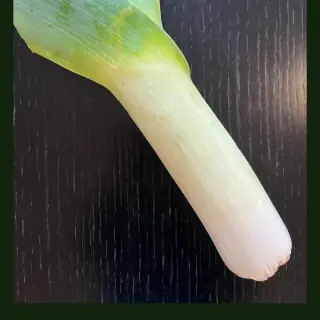
Many brassicas and root crops tolerate frost, and some improve after one as cold converts starches to sugars. Kale, parsnips, leeks, broad beans and winter brassicas are typical examples. Each plant guide records a hardiness rating.
Tender crops — tomatoes, capsicum, chilli, beans, cucurbits such as pumpkin and zucchini, and soft herbs like basil. These need frost-free weather and warm soil, and cannot be carried through a hard freeze outdoors.
For several crops, yes. Cold prompts some plants to convert stored starch to sugar, which is why parsnips, kale and some brassicas are often described as sweeter after the first frost.
Cloches, horticultural fleece and mulch all buy a small margin, which is frequently enough for a borderline night. Watering the soil beforehand also helps, since damp soil holds more heat than dry. None of it protects a tender crop from a hard freeze.
It varies by locality and year, and local conditions matter as much as regional averages — cold air pools in low ground, and a wall can shelter a bed entirely. Your own records over a couple of seasons will beat any published figure.
Sowing windows in the calendar reflect your climate zone, and the weather feed flags frost risk so plantings can be timed around it rather than guessed.
Create a free account to save your garden layout, personal planting calendar, water and fertiliser schedules, seed inventory and harvest logs.
Create Free Account